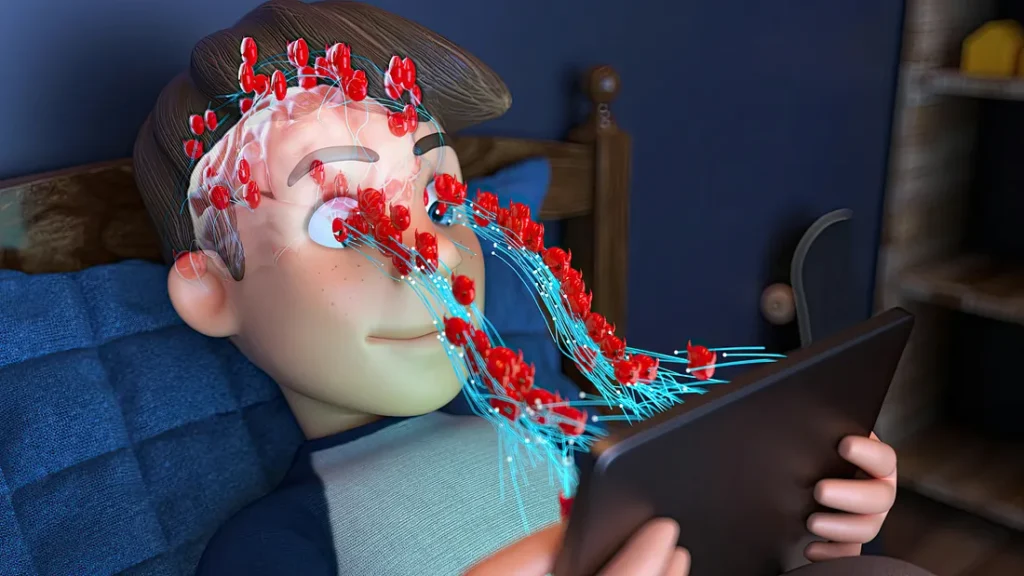
When we enter the online world, we get the impression that we are in an open and free world. We search, scroll, click, watch, thinking that we oversee what we view. However, there is a strong, unseen construction under this feeling of freedom. The internet is not merely a neutral space where information is present waiting to be revealed. Rather, it is effectively sorted by algorithms that decide on what to show up, what to fade and what to matter. These systems run silently in the background, and they influence how we experience the online but are simple to ignore but hard to get out of. The point of the matter is not simply that algorithms assist in sorting content but create our vision of the reality. We do not always see the complete picture on what we see online; it is an edited version of the same. The thesis of this blog is that algorithms can be described as a hidden governance, which manipulates the information stream and affects the way people perceive the world in a particular way. It is not their visible authority but their invisibility that makes them powerful: most people do not even realize that their online world is being filtered and organized at all the time.
From Tools to Gatekeepers
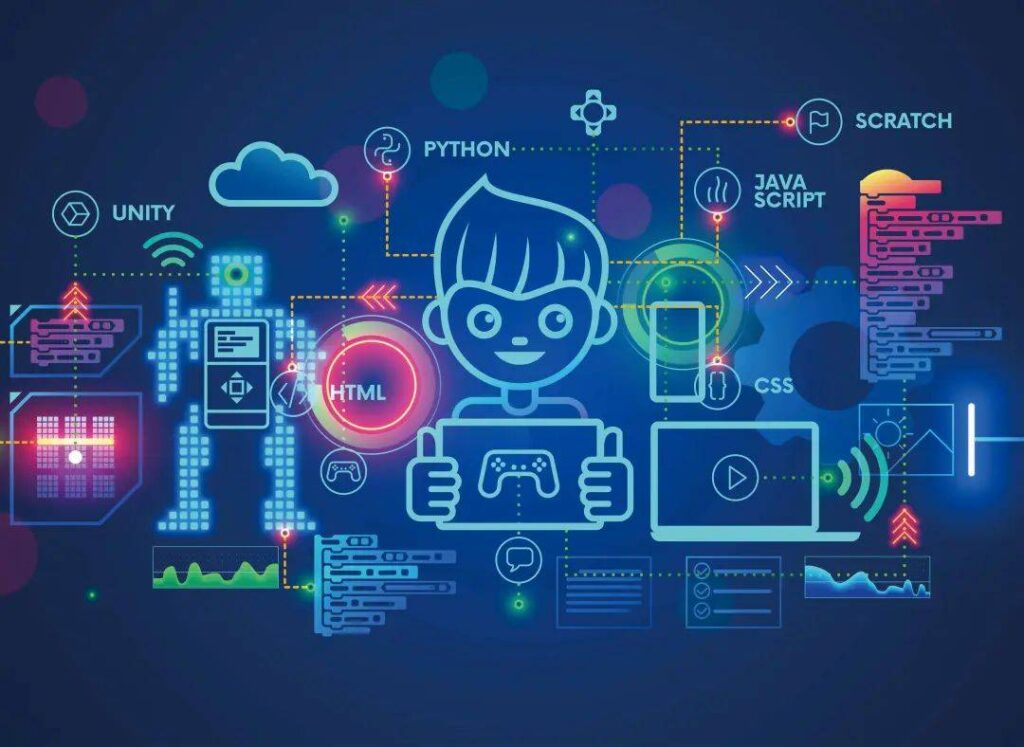
Algorithms look simple at first because they are meant to enhance efficiency. They assist us to locate appropriate information in the quickest amount of time, suggest what we may find entertaining, and refilter on the information that appears irrelevant to us. This is however a false framing. Algorithms are not merely helpful to users, they are gatekeepers, screening what information will be worth seeing in the first place. This is a non-neutral selection process. According to Just and Latzer (2019), with the help of algorithmic systems, people determine the level of relevance of information (which is considered more important than the rest). Such a ranking generates a sort of ontological order, with some ideas, voices and views becoming more visible and others becoming obfuscated. This selective visibility over time creates what individuals get to know and believe. When some forms of material are regularly given precedence, they start to seem to be more dominant or true. That is how algorithms can go beyond being technical tools and become potent forces of constructing knowledge. These are not mere reflections of reality but rather active constructions of the same. The world that we experience online is itself thus not an objective reflection of the world, but a variant of the world that is processed through the logic of algorithms.
Personalization and the Distortion of Reality
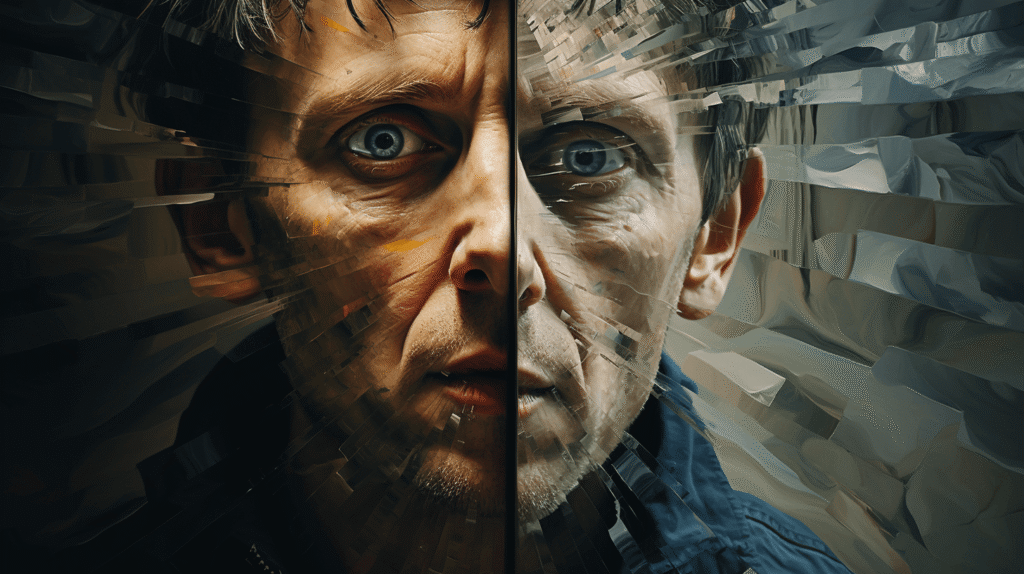
Personalization is one of the most important ways in which algorithms can shape our perception. Social networks capture huge volumes of information on users, what they tap, how much time they spend, which they Favor, and even which they disregard. The information is subsequently utilized to suit individual interests in the content, which produces a highly individualized online experience. Although this might sound handy, there is more to it in terms of the way individuals perceive the surrounding world. Personalization is not merely a response to the preferences of the users, it strengthens them. Since algorithms are designed to learn based on the history of actions, they will increasingly present more of this kind of content, which eventually narrows down the number of perspectives a user will be exposed to. According to Just and Latzer (2019), this process results in the growing individualization, as various users receive completely different manifestations of reality on the internet. In the long term, it may curtail the exposure to various perceptions and narrow the possibilities of critical interaction. This constraining influence is usually delicate. The users hardly realize that other options of view are not available since this system is intended to be smooth and easy to use. The outcome of this is a situation in which people are constantly exposed to the material that matches their pre-existing beliefs and allows them to believe that they are more justified and accepted than they truly are. Algorithms, in this sense, are not only personalizing content, but also define what users can imagine as possible, relevant or true.
(Truth & Goodness, 2023)
Bias Is Built into the System
One of the most unbroken myths concerning digital technologies is the notion that algorithms are neutral. As a matter of fact, algorithms are highly influenced by the information they are based on, as well as the choices of the individuals that create them. In her study, Safiya Noble shows that search engines have the capability of recreating harmful forms of social bias, especially race and gender. As an example, search results on specific groupings have traditionally been biased and discriminatory and put into perspective how algorithmic systems can only increase the inequalities in existence instead of eradicating them (Noble, 2018). This is because algorithms are taught on data that is formed by society. In the case that such data is skewed, then the algorithm will probably recreate those skewed patterns on a large scale. What is particularly worrisome about this is that the outputs of algorithms can be viewed as objective. Since they are put across because of data-driven processes, the users might be less prone to doubt them. This makes biased results to have a sense of legitimacy, and thus, they are harder to dispute. To interpret this, it is necessary to change the way we think about technology. Algorithms are not isolated systems that do not exist in the society; they are part of it. They are mirrors of the priorities, assumptions and inequalities in the higher social environment. Consequently, their impact is not only technical, but it is also highly political.
(Sohu, 2023)
The Power of the Black Box
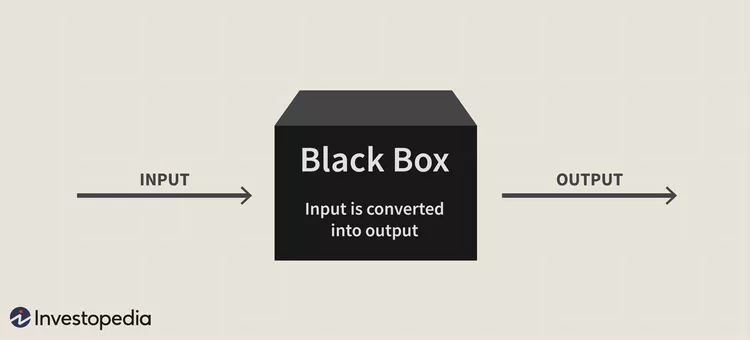
When algorithms contribute to the process of creating what we observe this much, the question is, why do we know so little about the mechanisms which drive them? It is due to this lack of transparency that Frank Pasquale (2015) calls the black box problem. The users can see what is inputted into a system and what goes out of the system, but not the processes within. This obscurity is usually seen as a reason why it is necessary to safeguard intellectual property, but it is also a way to consolidate power, which is held by those controlling the algorithms. The after effects of this are strong. It is hard to blame anybody when making decisions that are not easily comprehendible or can be analysed. The users will be expected to trust the results without providing them with the means to doubt them. Pasquale (2015) maintains that this leads to the inherent imbalance, of an enormous amount of knowledge about users and the least understanding of them with respect to the assessment and the way they are being manipulated. Such an imbalance is not only a technical problem but also a political one. Information control is power and have since become one of the main means through which power is being manipulated in the digital societies. They define what is visible and what is hidden, thereby creating not just the experiences of individuals but also the understanding of people.
(Investopedia, 2019)
When Algorithms Shape Public Opinion
Algorithms have a power that is not limited to a personal user but rather spreads to the general population. Algorithms play a major role in the social media platforms and how the content becomes visible. This offers chances of manipulation especially with the help of pre-programmed accounts and synchronized campaigns. According to Bolsover and Howard (2019), algorithms may be used to promote a particular message to make it seem more popular or more widely accepted by a person than it is in the real world with the help of computational propaganda. This has significant effects on democracy. Algorithms can influence the discourse of the masses in very minor yet effective manners when they dictate the content that is seen and shared. Users might be under the impression that they are talking with organic conversations but in fact such conversations are being affected by the systems behind the scenes. The border between real popular opinion and literal automated amplification of content becomes increasingly unclear. What is extremely worrying about this is that such processes are in many cases subconscious. The users are not being made to believe anything necessarily, rather, they are being steered to some interpretations of reality. This type of influence is not as apparent as the conventional types of control, yet it may prove to be equally potent.
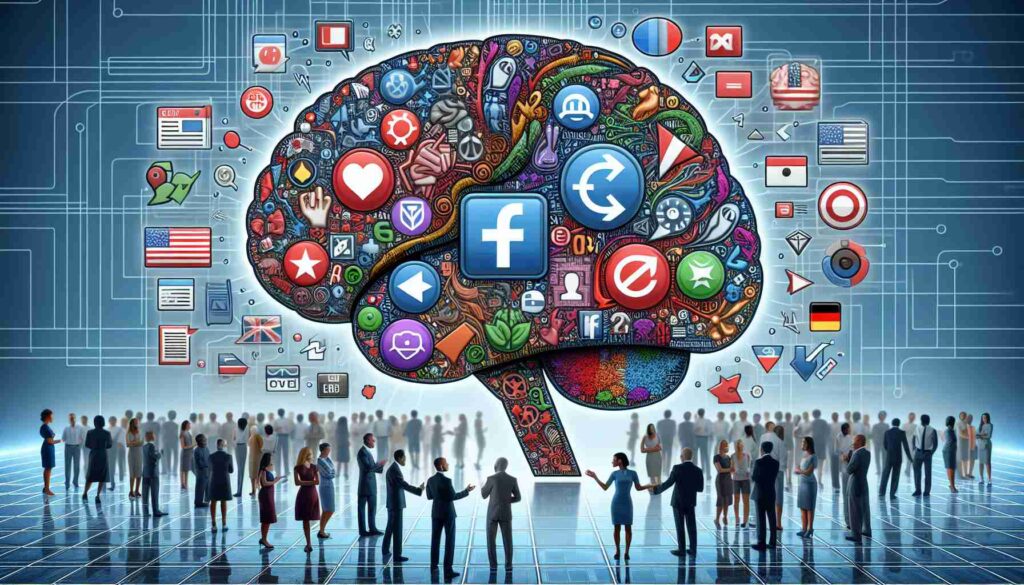
(Forward Pathway LLC, 2024)
A Case Study of TikTok
The most explicit example of algorithmic influence is such a platform as Tik Tok. In contrast to conventional social media where users are presented mostly with the content by people they follow, the “For You Page” of TikTok is fully fuelled by recommendations by an algorithm. The system is constantly at work studying the behaviour of the user including what they watch, skip, like, or replay and serving up content that is most likely to keep them interested. This makes it a very immersive experience; it also implies that the platform to a large degree controls what is viewed by the user. However, according to the algorithmic decisions, content can easily go viral, and other content will not be visible. The users can experience discovering the content organically, but they are being guided by an algorithm that is crafted to bring out as much attention as possible. This example points to a wider concern: algorithms do not only react to the tastes of the users, but instead they actively create them. They also decide what users are interested in, what is important or entertaining as they decide what content to constantly display. With time, this has the capacity to influence the tastes of individuals and even the cultural trends.
AI, Data, and the Economics of Attention
Data is the heart of the algorithmic systems. Any activity on the internet leaves a trace of data that can be utilized to continue perfecting algorithms. This is the data-driven nature of modern artificial intelligence, which is based on massive amounts of data to make decisions and predictions. Instead, the AI systems, as Crawford (2021) considers, are not only a technological tool but a constituent of a greater economic system profiteering on user data. This is an important economic aspect. Algorithms are also developed to make the content relevant with a maximization of engagement, which is converted into profit. The more the time users remain on a platform, the more data is gathered and the greater the chances of advertising. This gives incentives to algorithms to focus on content that generates attention even though such content may be misleading, sensational, and polarizing. The outcome is a digital community in which popularity is closely linked with interaction as opposed to precision and excellence. This makes a lot of sense on the type of information that passes through the internet and how individuals respond to it.
Rethinking Control in the Digital Age
The awareness of the power of algorithms does not imply their rejection. These systems are vital in filtering the immense number of information that is present on the internet. It simply suggests, however, enquiring how they are constructed and to whom they cater. The existing model, that focus on engagement and functions with minimal transparency, are pertinent to issues of fairness, accountability, and control. These problems cannot be handled with technical solutions. It entails re-evaluating the relationship among the users, the platform and systems that facilitate the interaction among them. These encompass the creation of more robust regulatory frameworks, increasing transparency, and making sure users have substantial mechanisms of understanding and appealing algorithmic decision-making. Simultaneously, more awareness should be created. The first step to gaining critical engagement with online content is the realization that online experiences are tailored by algorithms. Without this consciousness, users are inactive actors in systems that play important role in their perceptions and behaviour.
Conclusion
Algorithms have been referred to as invisible, but their impact is anything but invisible. They define the world around us, what we think, as well as how we learn and comprehend. They have managed to regulate the flow of information quietly and hence become one of the most powerful forces in the digital society. The central implication is that albeit algorithms are not always bad, their impact is frequently undervalued. They are not the neutral instruments but the systems that are incorporated with social, economic and political priorities. By acknowledging this we can begin to see the internet as a rather carefully designed space where visibility is regulated and meaning made.
The next time you go scrolling through your feed or going to a search engine, you should ask yourself- is this what I wanted, or an algorithm decided to show me?
References
Bolsover, G., & Howard, P. (2019). Chinese computational propaganda: Automation, algorithms and the manipulation of information about Chinese politics on Twitter and Weibo. Information, Communication & Society, 22(14), 2063–2080.
Crawford, K. (2021). Atlas of AI: Power, politics, and the planetary costs of artificial intelligence. Yale University Press. pp. 1-21.
Just, N., & Latzer, M. (2019). Governance by algorithms: Reality construction by algorithmic selection on the Internet. Media, Culture & Society, 39(2), pp. 238–258.
Noble, S. U. (2018). ‘A society, searching,’ In Algorithms of Oppression: How search engines reinforce racism. New York: New York University. pp. 15-63.
Pasquale, F. (2015). ‘The Need to Know’, in The Black Box Society: the secret algorithms that control money and information. Cambridge: Harvard University Press, pp.1-18.
Be the first to comment