
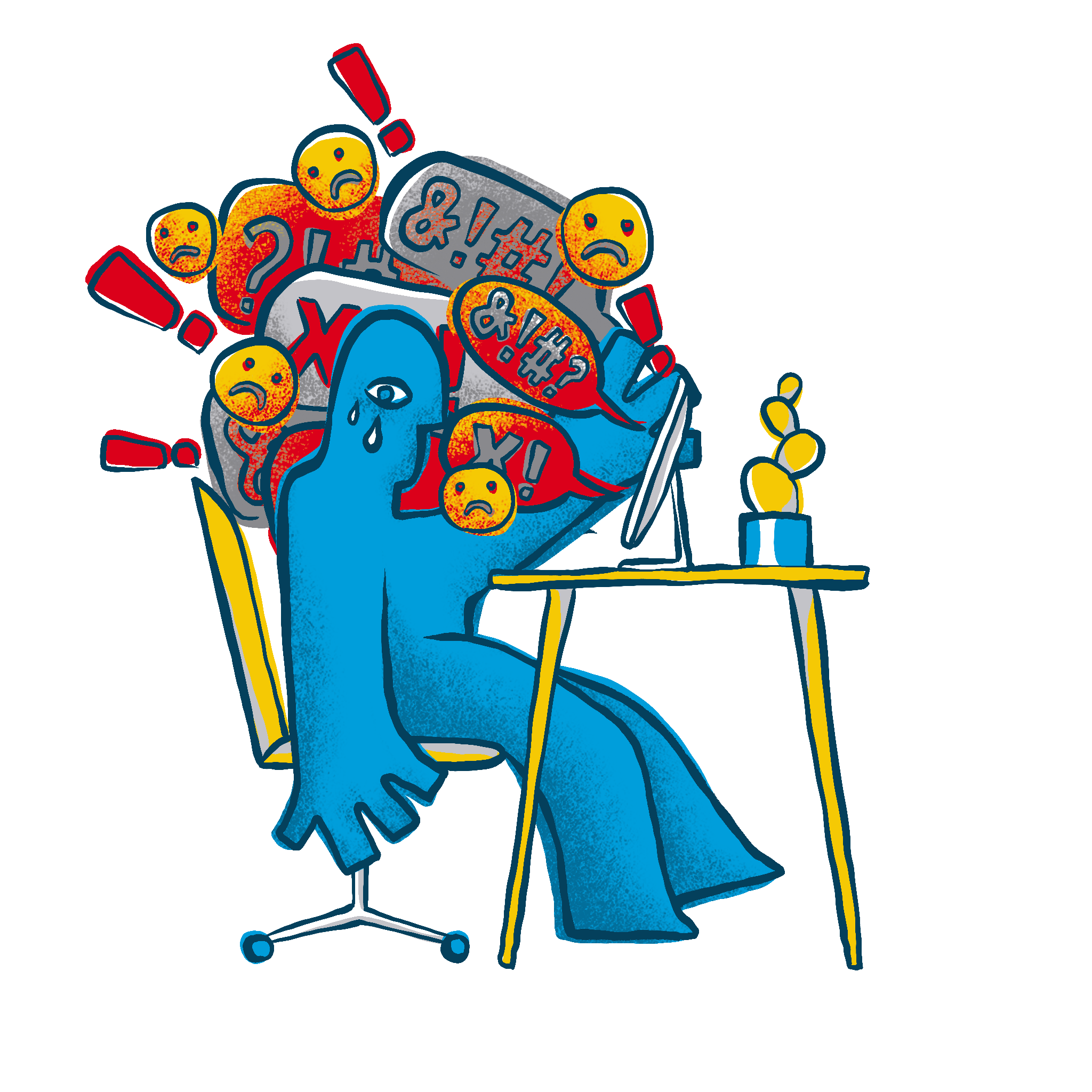
We’ve noticed that many people have started feeling a bit unsettled lately when scrolling through digital platforms like Weibo or Rednote. What used to feel light and enjoyable now sometimes brings up gentle waves of discomfort—and that‘s completely okay. You’re not alone in noticing this shift, and your awareness already shows real care for your well-being.
In the comments section of almost any post on a trending topic, you’ll notice a similar situation. What starts as a discussion quickly devolves into an emotional—and sometimes even hostile—clash. You’ll find that the comments grow increasingly emotional and extreme. Within a matter of hours, people stop debating the issue and instead turn on each other, attack outsiders, or join the wave of collective outrage. Over time, many have realized that what bothers them most is not harmful speech itself but its familiarity and acceptance. Once such behavior starts to feel normal, it quietly shapes how people talk and even how they react, without them even realizing it.
Hate speech, online harm, and content moderation aren’t three separate things; they’re all connected, like pieces of the same puzzle. And in that setup, harmful speech doesn’t just pop up here and there; it spreads, piles up over time, and before you know it, starts feeling… normal to a lot of people.
Online harms are subtle, but deeply real
For a long time, harmful comments online have been all too easy to overlook. If certain content makes people uncomfortable, most of the time, they just scroll past it without giving it a second thought. But gradually, this ‘overlook’ began to change.
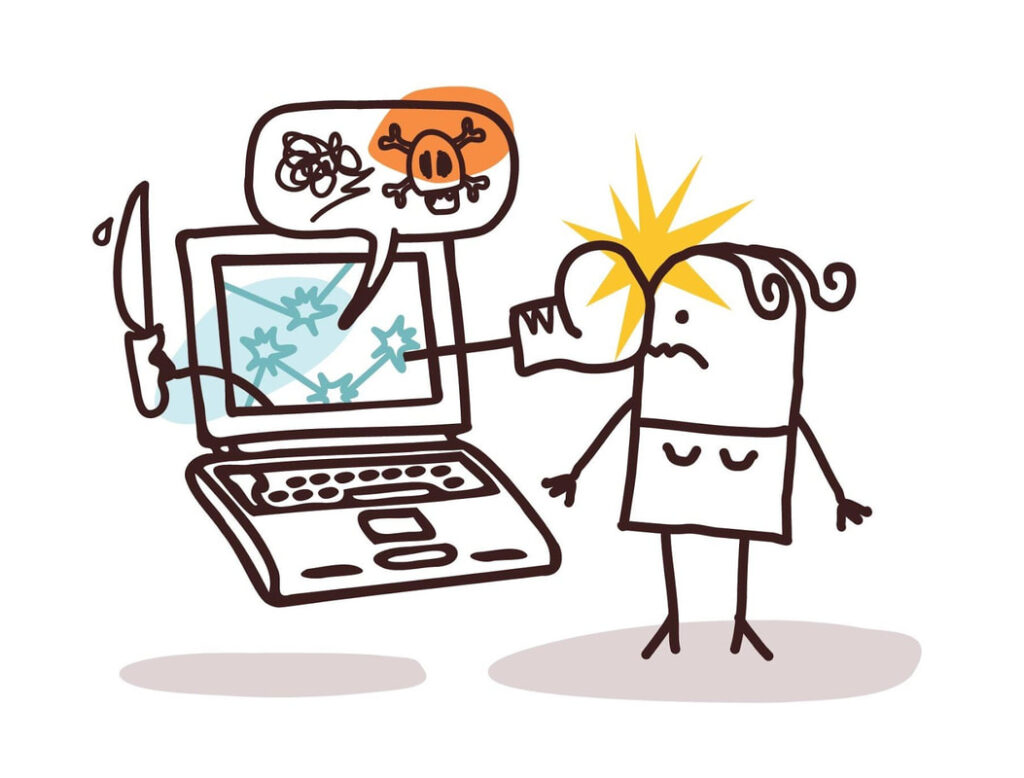
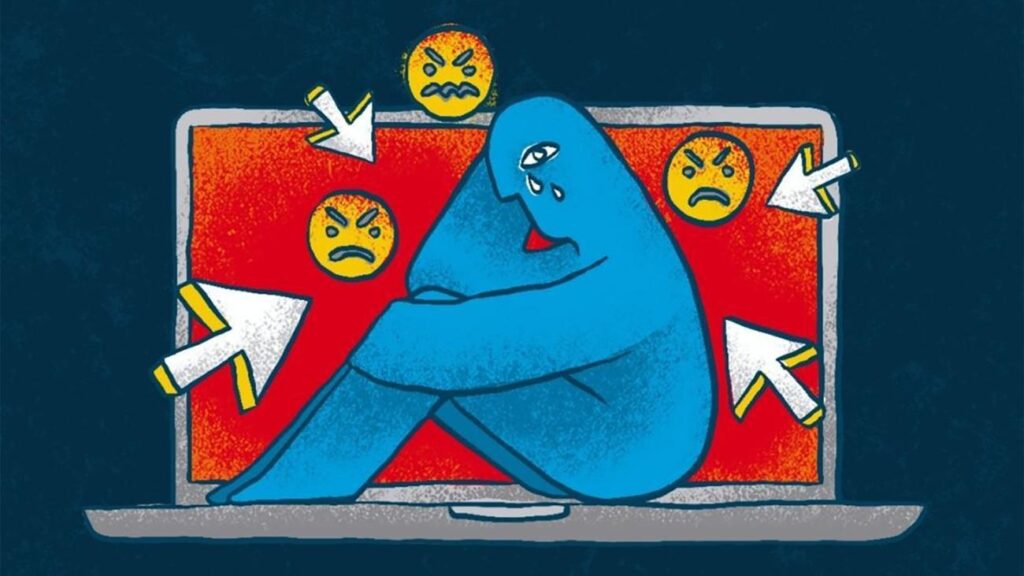
Topics people used to dive into are losing their spark. To be honest, the reason is obvious. When the comments become filled with hostility, staying silent seems like the wiser choice. And when arguments become particularly heated, most people simply choose to walk away. That way, they avoid trouble and don’t get caught up in the drama. Avoiding the situation seems to have become a kind of instinctive self-protection. It’s actually through this whole process that ‘online harms’ stop feeling like some vague, far-off idea, and it has become increasingly concrete and real.
This kind of harm rarely happens overnight; it creeps in quietly, silently reshaping the way people behave online (Sinpeng et al., 2021). Scholar Tirrell (2017) describes this type of harm as a slow-acting poison.’ Instead of having an instant effect, it gradually builds up in the digital world, undermining the target group’s sense of identity and security and potentially posing a serious risk to their physical safety.
As the hostility grows, the nature of the involvement itself begins to become imbalanced. Some voices become more obvious, while others gradually fade away. Research shows that when members of marginalized groups are constantly exposed to hostile or exclusionary content, they begin to hold back. For example, they may post less, comment less, or even stop speaking out altogether. Experts refer to this as the ‘silence effect‘: it is not because they have nothing to say but because the environment no longer feels safe or welcoming (Sinpeng et al., 2021).
As we have seen, online harms don’t just harm individuals; they are quietly reshaping the entire online world—how people talk, react, and show up in digital spaces. It is precisely amid these changes that certain issues that had not previously come to light are gradually surfacing.
Hate speech often starts with sweeping generalizations
In today’s digital world, online harms often manifest as ‘dark participation‘ (Psychology Today, 2023; Guan and Chen, 2025). In other words, it’s all kinds of inappropriate communication happening online. Hate speech is one of the most obvious forms of this phenomenon. Even while hate speech may appear as satire, humor, or lighter banter, these supposedly ‘lighthearted’ comments can really do serious and long-lasting harm in the digital environment (Guan and Chen, 2025).
But here’s what people often miss: hate speech usually doesn’t start with outright insults or abuse; it starts with quieter, more subtle things like generalizations and stereotypes (Guan and Chen, 2025).
On some social media platforms, like Weibo, which I’m most familiar with, as an example, I’ve begun to notice a distinct trend. Discussions among netizens rarely focus on specific events for long; instead, they quickly shift to broader generalizations about entire groups. Initially, people were making comments on what had actually occurred. But the tone changed gradually. ‘What kind of people these individuals are’ became the main topic of conversation instead of the event itself.
You’ll hear comments like this all the time:
- ‘People from this region/country are always like that.’
- ‘Women/men are always like that.’
- ‘That’s why these people can’t be trusted.’
These remarks are not always overtly offensive, but they can have a more subtle and more powerful effect: by creating “negative expectations” about the behavior of specific groups, they can incite prejudice and hatred without resorting to insulting language. This phenomenon is what we commonly refer to as negative stereotypes (Guan and Chen, 2025).
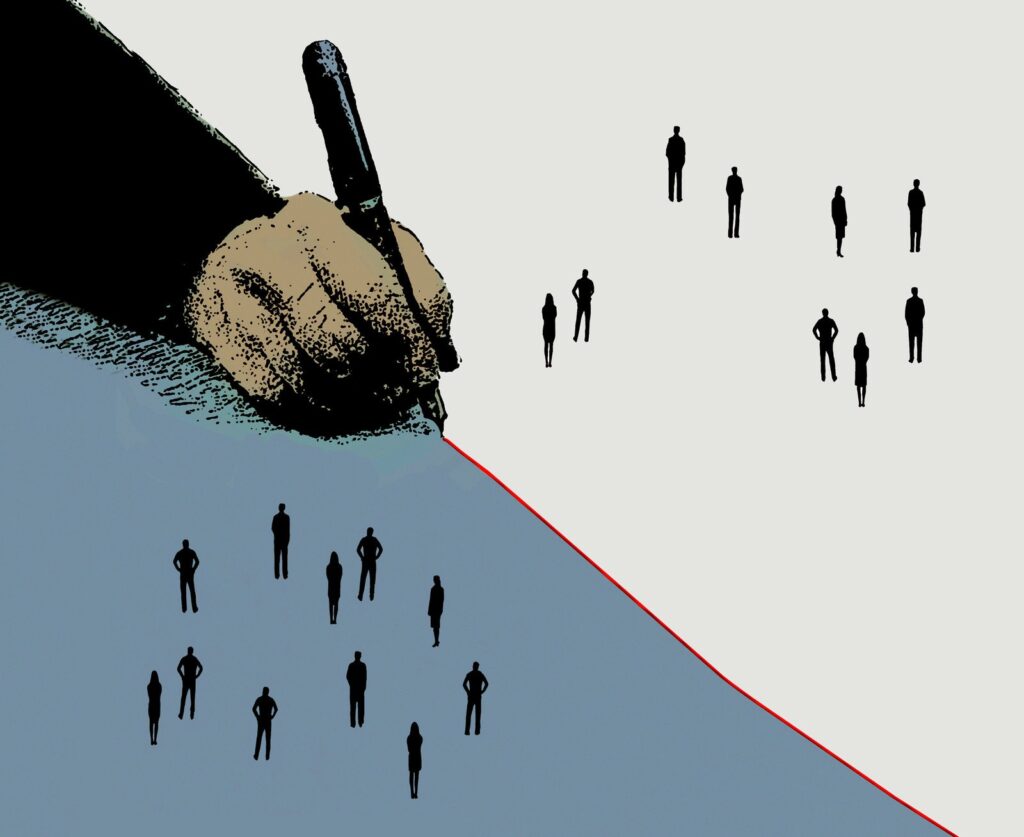
Meanwhile, this also shows how ‘othering‘ works in hate speech: people start seeing certain groups as ‘them’ instead of ‘us,’ and in doing so, they end up putting them down or slapping labels on them. These kinds of everyday comments may seem harmless, but over time, they chip away at trust between groups and weaken the inclusivity of public space (Guan and Chen, 2025).
Once this process begins to occur, the comments section gradually shifts its tone. Some people repeat those claims, others jump on the bandwagon, and before you know it, the conversation isn’t about the incident anymore. It’s turned into a group verdict on an entire community. What’s really unsettling? How normal it all feels. People often dismiss these comments as ‘common sense’ or ‘just the truth,’ leaving little room for questioning. Before long, this kind of talk just becomes the everyday soundtrack of online life.
From this perspective, hate speech can manifest in subtle, understated ways. Often, it lurks in everyday language, manifests in casual conversations and online interactions, and gradually becomes the norm.
But here’s the thing: it’s not enough to treat these issues as just about what individuals choose to say.
The platform turns these patterns into widespread phenomena

At first glance, social media appears to be nothing more than a simple reflection of public opinion, and the content on these platforms appears to be a direct expression of people’s thoughts.
But if you look closer, you’ll notice something important: not all posts get seen equally. Certain types of content appear more frequently, especially posts that are emotional, controversial, or likely to provoke conflict. And because it grabs attention so easily, it usually gets way more comments, shares, and overall visibility.
This is not a coincidence. The concept of ‘platformed racism‘ suggests that the spread of harmful content is not merely the result of user behavior but is also closely linked to the way platforms operate (Matamoros-Fernández, 2017). Under a system centered on interaction, content that elicits strong emotional responses is more likely to be recommended and amplified.

Example:
In Kalgoorlie, Western Australia, a local Facebook ‘community page’ grabbed national attention after a 14-year-old Indigenous boy was struck and killed by a non-Indigenous driver. An ABC investigation found the page had already been fueling racial tensions before the tragedy, and in the days that followed, it blew up with platformed racism and violent posts.
— ABC NEWS (2016)

Example:
By liking the page ‘Adam Goodes for Flog of the Year’, Facebook’s algorithm suggested other meme pages, such as ‘AFL memes’ and different football and masculinity-oriented pages (e.g., ‘Angry Dad’).
— Matamoros-Fernández (2017)
Platform recommendation algorithms (as in the Facebook example we just mentioned) use your clicks, shares, and comments to expose you to more controversial content. This includes offensive jokes disguised as humor, racist remarks passed off as ‘just a joke,’ and other harmful content. Over time, this mechanism not only brings such content to the surface but also actively feeds it back into the system, making it more prevalent and harder to ignore.
Hate speech fits this pattern perfectly. It easily stirs up public sentiment, fuels conflict, and further drives user engagement, thereby gaining greater visibility. Even if platforms don’t mean to promote harmful content, their algorithms can still end up boosting it, but often without anyone realizing it (Matamoros-Fernández, 2017).
So if the platform’s system is boosting hate speech, the real question becomes: What’s it actually going to do about it?
Content moderation is necessary, but it is not enough

Content moderation is often viewed as the most direct and effective tool for addressing online threats. Removing harmful content directly prevents users from being exposed to it and curbs its further spread. In other words, content moderation is not only beneficial but absolutely essential.
However, moderation does not imply neutrality. The decision of what content to remove and what to retain depends on a comprehensive assessment of various factors: the platform’s priorities, local cultural norms, and human judgment. As Roberts (2019) demonstrates, this is not merely a technical checklist but a multi-layered process involving the classification and weighing of content, as well as making practical judgments about what content is appropriate to leave online.
In addition, content moderators do not merely focus on the content itself; they must also consider why it is phrased this way, what the intent is, and how people from different cultural or social backgrounds might interpret it. All these factors intertwine, meaning that content moderation is by no means truly neutral; it is inevitably subjective, and the results can vary greatly.
At the same time, content moderation is a massive undertaking; just imagine that thousands of posts are being uploaded every second, each requiring individual review. Given the sheer volume of content, it is simply impossible to review everything with both accuracy and consistency. As a result, the platform relies heavily on global outsourced moderators, many of whom work remotely and face tight deadlines. This operational model leads to inconsistent levels of moderation and makes inconsistencies in the understanding and application of rules almost inevitable (Roberts, 2019).
The Facebook case clearly illustrates this. Unlike Weibo or Rednotes, Facebook has established a comprehensive moderation system. It uses both automated tools and user reports to screen for problematic content. But even with all that in place, some problems still stick around.

Research shows that people frequently report harmful content, but they become frustrated when it remains online. Experts refer to this phenomenon as ‘reporting fatigue‘: if users don’t see any results, they will eventually stop reporting altogether (Sinpeng et al., 2021). As a result, content moderation not only fails to completely prevent all harm but also gradually erodes users’ trust in the platform and undermines their ability to help shape how the platform operates. Ultimately, content moderation focuses on individual posts rather than the broader ecosystem. While it can remove specific harmful content, it is not designed to address the underlying mechanisms that allow harm to spread, such as broad generalizations, repeated posts, or the way algorithms push certain content to more users (Sinpeng et al., 2021). Therefore, although some harmful posts are removed, other content slips through the cracks.
Overall, moderation is not a panacea; rather, it is more like an ongoing safety check and part of a broader risk management system.
Conclusion

What is most concerning about online harm is not any single comment or incident but how quickly such phenomena become commonplace.
Hate speech doesn’t always take the form of loud shouting or insults. It often manifests in more subtle ways: sweeping generalizations, biased judgments, and the narratives we’ve all heard time and again. Meanwhile, online harm isn’t always obvious. But it quietly influences how people behave online and whether they feel safe enough to speak their minds. The irony is that while digital platforms attempt to address these harmful patterns, their own systems continue to exacerbate them. Content moderation is certainly essential, but it takes place within a system that can cause real harm. Over time, these phenomena will gradually become the norm. This might just be the most important insight we’ve uncovered.
This tells us the problem isn’t just about managing harmful content; it is also about how we design digital spaces and how users slowly adjust to them over time.
When hatred no longer presents itself as hatred, it becomes harder to detect, identify, or resist.
References
ABC NEWS. (2016). Community in mourning as elders call for action against online racism. Abc.net.au. https://www.abc.net.au/news/2016-08-30/community-mourns-as-elders-call-for-justice-after-riot/7799942
Guan, T., & Chen, X. (2025). Threat Perception, Otherness and Hate Speech in China’s Cyberspace. Journal of Contemporary China, 35(158), 1–16. https://doi.org/10.1080/10670564.2025.2475051
Matamoros-Fernández, A. (2017). Platformed racism: the mediation and circulation of an Australian race-based controversy on Twitter, Facebook and YouTube. Information, Communication & Society, 20(6), 930–946. https://doi.org/10.1080/1369118x.2017.1293130
Psychology Today . (2023). Dark Participation. Psychology Today. https://www.psychologytoday.com/au/basics/dark-participation
Roberts, S. T. (2019). Behind the screen: Content moderation in the shadows of social media. Yale University Press.
Sinpeng, A., Martin, F. R., Gelber, K., & Shields, K. (2021). Facebook: Regulating Hate Speech in the Asia Pacific. In ses.library.usyd.edu.au. https://doi.org/10.25910/j09v-sq57
Tirrell, L. (2017). Toxic Speech: Toward an Epidemiology of Discursive Harm. Philosophical Topics, 45(2), 139–161. https://doi.org/10.5840/philtopics201745217
Be the first to comment