
Fig.1 Digital Surveillance and Behavioral Control Mechanisms. From Control, Room, Monitors by V. Kukanauskas, 2024, Pixabay.
Core Thesis
TikTok collects personal data and creates behavior-modifying algorithms that exacerbate. The specific harms stem from three unique issues: data collection, bias within their algorithm, and a lack of visibility within their systems. All three issues stem from the unrestrained use of power which lacks oversight from users, the law, and external scrutiny.
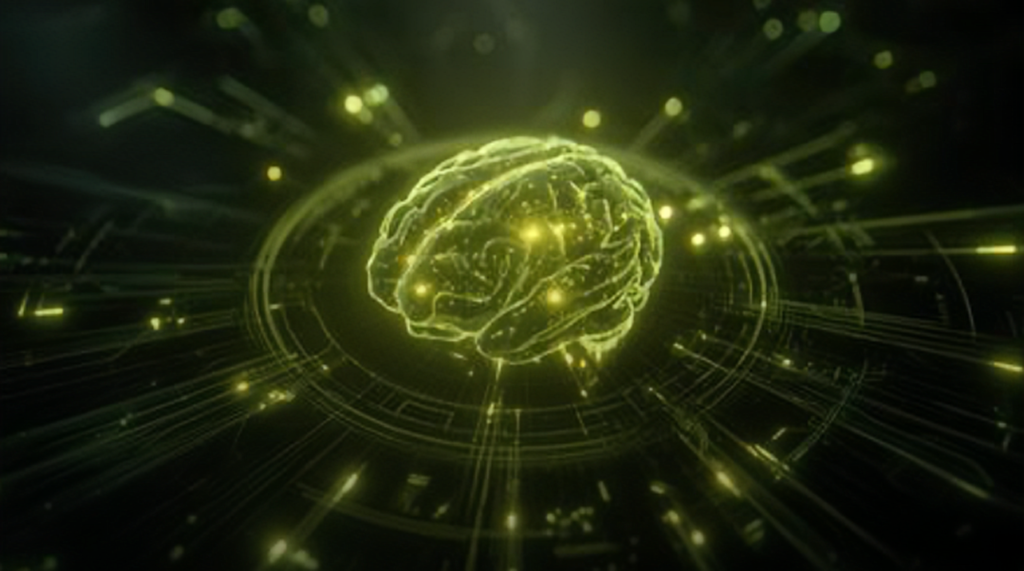
Fig.2 User Algorithmic Addiction and False Autonomy. From Brain and Technology by FreePixel, n.d., FreePixel.
Are You Really Making a “Free Choice”?
Think back on your most recent experience using TikTok. You planned on taking a short five-minute break but ended up scrolling for fifty-five minutes. Most users come to the conclusion of: “The algorithm knows me.” A strong and somewhat disconcerting question should arise, who is determining the context of “knowing you?”
The TikTok “For You” Page is much more than just a representation of what the user wants to see. AI is no longer a value-neutral tool; it has become a computing governance framework.
Real-World Examples: The Governance Model
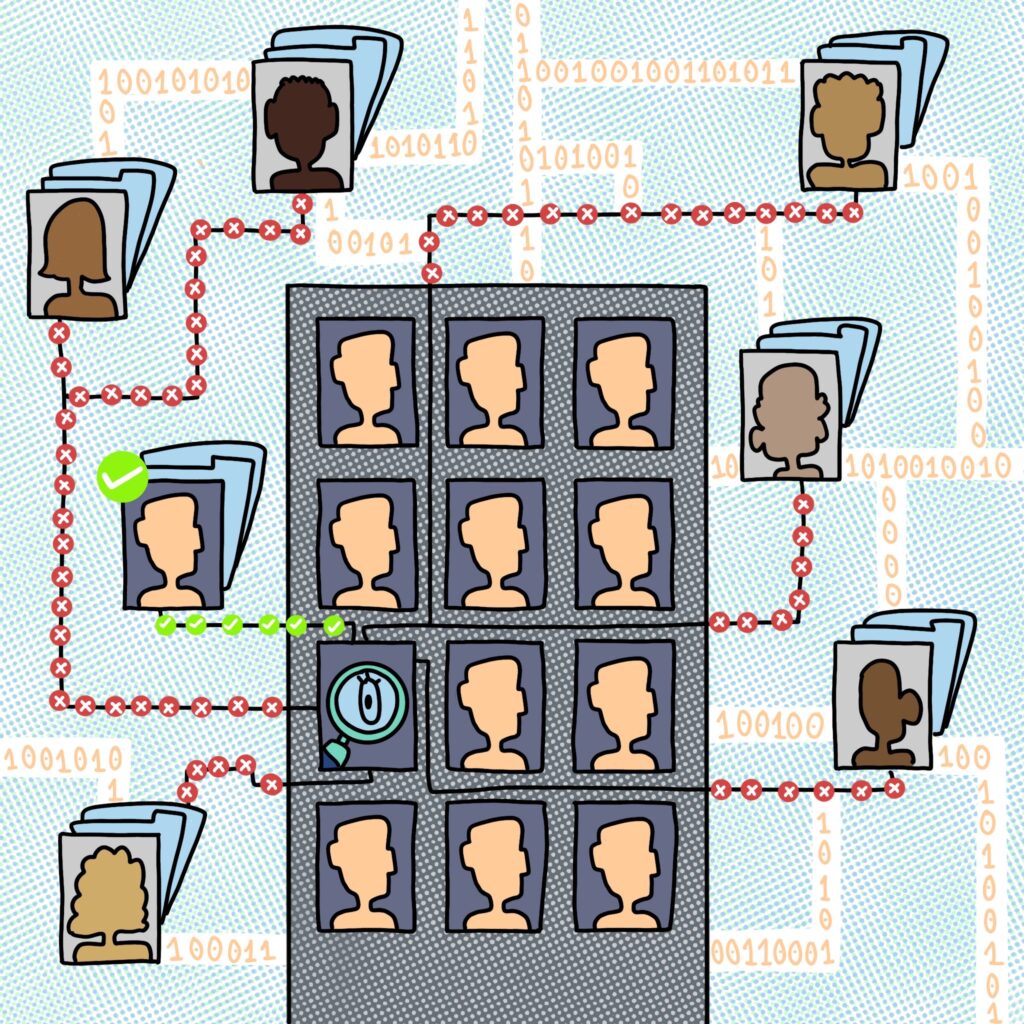
Fig.3 Algorithmic Filtering and Information Visibility. From FINDHR Artist Visualizations by R. Báez, n.d., FINDHR.
The governance model within the digital world has most likely never been seen so clearly as it is with TikTok.
These examples show just how much power optimization has in the digital realm.
Case 1: Whistleblower Exposes Rewarding Algorithms for Inducing User Anger (2026)
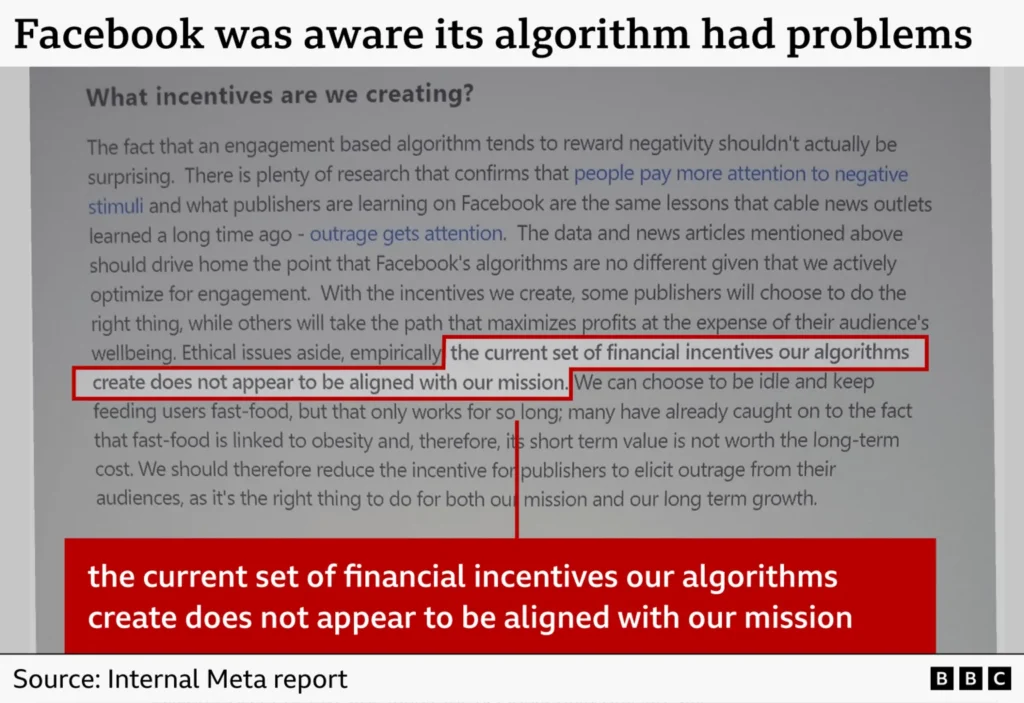
Fig.4 Misinformation Dissemination via Algorithmic Amplification. Meta and TikTok let harmful content rise after evidence outrage drove engagement – whistleblowers. BBC.
In March of 2026 it was reported that anger creates user engagement drive for the ranking algorithms of TikTok and Meta. The BBC conducted one of the first large scale investigations for TikTok and Meta’s ranking algorithm. Insiders from the core ranking teams for both companies stated that the designers of the ranking algorithms and their respective companies did not act to minimize user risk. Instead, these companies chose to expose their users to increased risk from violent and sexually exploitative content.
This disregard for the well-being of users demonstrates that companies value increased time users engage with the content more than user satisfaction. When the algorithm detects that the content elicited anger from users, it will elevate that content for view. This business model promotes emotional manipulation as user protection remains a secondary priority at best.
Case 2: Negative Emotional Content Algorithms Provide during Security Events

Fig.5 Data Exploitation in Digital Platform Operations. Negative emotional content algorithms provide during security events. (n.d.). Bing.
In 2025 the Southern California wildfires created a disaster at which TikTok chose to amplify conspiracy theories and false maps instead of even stream of verified evacuation orders. Users looking for important information to help them during the emergency saw warning false statements and were confused even more. This also happened with the COVID-19 Pandemic. False health information spread rapidly and influenced more users than the true information. The algorithms that spread health misinformation during a security event show that there is a high risk of real world consequences of a system that monetizes panic. The more the algorithms amplify the real world emotional manipulation, the real world risk increased.
Case 3: Political Content Controversy (2025-2026)

Fig.6 Political Bias and Algorithmic Content Suppression on TikTok. Forbes.com. Retrieved April 12, 2026.
From 2025-2026, during business negotiations between TikTok and the U.S., the media began alleging that TikTok had been accused of the political bias of suppressing political content and affecting the visibility of political news. These allegations even reached singer Billie Eilish and the Governor of California, Gavin Newsom, leading Newsom to initiate a formal investigation.
The construction of the algorithm was not intended to be neutral. There will always be a bias.
Case 4: Scale and Complexity
The TikTok algorithm is not just one piece of code but rather a multitude of interconnected models, each of which is a complex code. These models are trained on billions of behavioral data and even the people who created it do not understand it completely. This means it is so complex that it demands transparency, independent review, and a system of accountability. This complexity is often an excuse to limit the responsibility of the organizations for the problems created. Companies claim that even they cannot explain their algorithms, thereby evading responsibility.
AI Is Not Neutral: Extraction and Structural Power
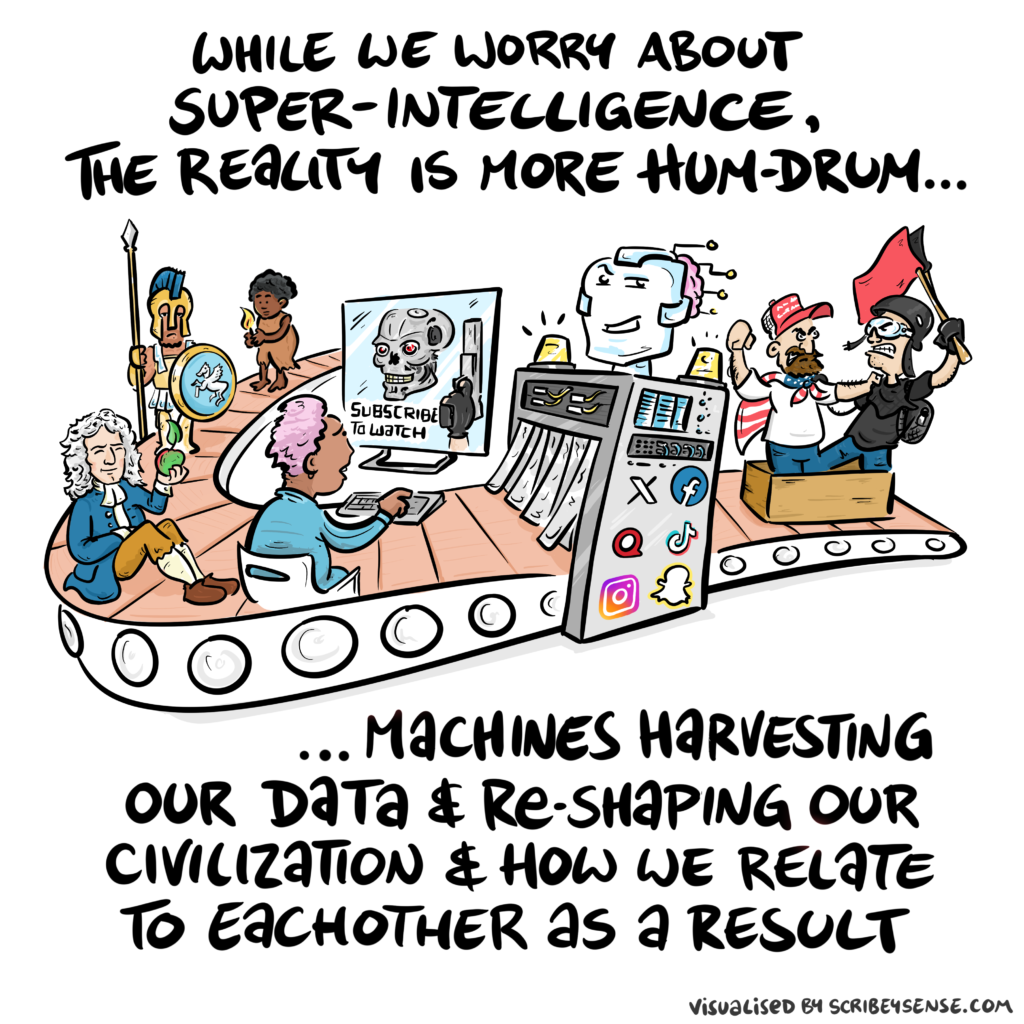
Fig.7 Algorithmic Governance and Structural Accountability. From Dan Andrews: System Zero by D. Andrews, 2024, The Atomic Human Reprinted with permission.
The most important factor for the functionality of AI is the human data it collects. Data is valuable and it is created when people interact with the platform. On TikTok, user interactions such as swipes, pauses, and likes are quantified, captured, and ultimately become monetized. This practice is referred to as datafication, and it turns ordinary experience into traceable, analyzable, and monetizable information.
Couldry and Mejias(2019) argue that the platform’s ongoing and non-transparent, non-consensual, and non-collaborative collection of user data is a form of “data colonialism,” comparable to the colonialism of the past. What makes this form of digital colonialism particularly effective is its invisibility; users relatively provide data and do not recognize the true worth of what they’re giving up.
This is not a purely technical process, it also involves structural power. Who possesses this power? How is it exercised? Who is shut out of the process?
Flew (2021) depicts TikTok’s recommendation system as “computational governance.” The system inscrutably changes the way users behave, making them mere data points instead of fully autonomous individuals within the digital sphere.
TikTok’s “Magic”: Datafication and Algorithmic Selection
TikTok’s recommendation system is based on two fundamental principles.
Datafication: Quantifying Everyday Behavior
TikTok collects more than just users’ likes and followers. What cooking tutorial did the user dwell on? Did they watch a funny video multiple times? How quickly do they scroll past a political video? This and more micro-level behavior is aggregated into a comprehensive data file (Crawford, 2021). The algorithm keeps track of users’ behaviors and modifies user behavior through a continuous cycle of data collection and analysis.
Algorithmic Selection: Structuring Visibility
The platform does not pose a direct question to users regarding what content they want to see. Instead, the system makes assumptions and curates content on their behalf (Just & Latzer, 2017). In contrast to traditional mass media, the construction of algorithmic realities fosters more individualized, commodified, and unequal outcomes.
Cycle of Recommendation (Why It Feels Addictive)
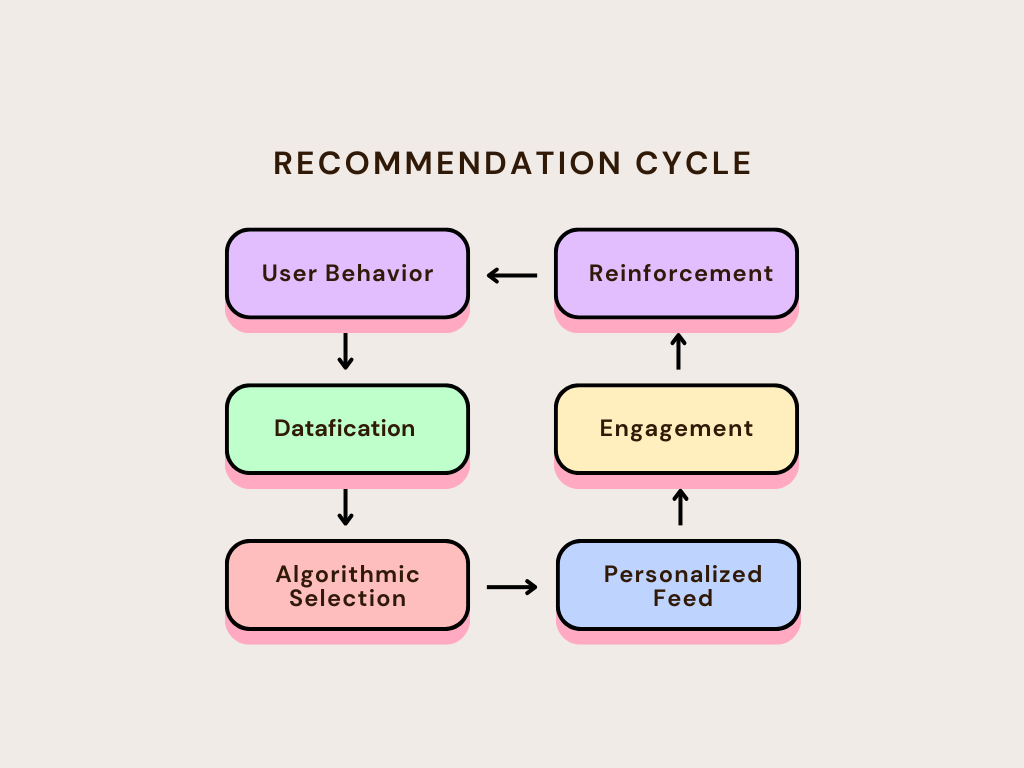
The user’s behavior will teach the system, and the system in turn will teach the user, creating a cycle that is very difficult to escape from.
Training Users: Shaping Behavior
The behavior shaping relies on positive reinforcement. The longer you watch a video, the more similar videos you will be shown. If a video gets a lot of likes or comments, the recommendation algorithm will produce that video to your feed to the exclusion of other videos. Users adjust their behavior in order to obtain the rewards of the system. This behavior has been labeled as “surveillance capitalism”(Andrejevic, 2019). Attention in automated media is transformed into a commodity.
That is the reason for the important question. What about the user’s behavior? Is it a conscious decision? Or is it the effect of the imperceptible set of rules that guide the design of the platform? Though the answer is concerning, the fact that the habits are neither voluntary nor involuntary is normal. The behavioral patterns are outlined by a system that is focused on gaining profit rather than providing the user with a sense of control.
Control Is An Illusion
There are things users can do to regain a sense of control such as searching beyond suggested videos, skipping videos, and following creators.
Still, such choices continue to be made within already set boundaries made by the platform beforehand(Flew, 2021). Users desiring to opt out from the data collection process, as it currently stands, must leave the platform entirely. They also cannot review the system’s decision making, nor can they adjust the logic, profit driven or otherwise. There are choices, but they are also made under set boundaries that the users have no control over. Genuine control would be defined as the means to alter the boundaries instead of isolating changes.
Algorithmic Bias: Data‑Entrenched Social Inequality

Fig.8 Algorithmic Inequality and Social Equity Deficits. From A Set of Justice Scales Against a Bokeh Background by FreePixel, n.d., FreePixel.
Search engine bias serves as a good example of this(Noble, 2018). The result sets of queries for “black girls” were predominantly sexual, while the result sets for queries of white groups contained appropriate and relevant results. Computational systems do not merely mirror inequity; they perpetuate it.
The Australian Human Rights Commission (2021) was the first to place algorithmic bias under the scrutiny of a human rights violation rather than a mere technical oversight. The report was the first to recommend classifying the suggested systems within the scope of high-risk artificial intelligence systems, and recommend mandating regular impact assessments to counteract algorithmic bias.
Bias is a component of social stratification that gets ingrained and is structurally protected due to the absence of audits. This has become evident on TikTok, where emotional, entertaining, and non-critical content is preferred structurally, while content from critical, minority, and marginalized groups tends to be shut out. The largest platforms disguise themselves by claiming to rely on neutral technology, while in reality, they perpetuate the existing social hierarchy. This is not simply a coincidence, but an unavoidable reality of depending on historically unequal data to train their algorithms.
Governing Algorithms: Transparency and Accountability

Fig.9 Non-Neutral AI Systems and Structural Exploitation. From Ai Ethics Technology Concept by A. Ansari, 2025, Dreamstime Copyright 2025 by Aman Ansari. Reprinted with permission.
Consider the nature and potential of the problem: we can assume that the present algorithm cannot be entirely disregarded, but we cannot leave it entirely unregulated. The problem, therefore, becomes how to justify the existence of such systems while protecting their underlying principles of fairness, transparency, and accountability.
Obligation of the Platforms
Pasquale (2015) pointed out the problem of the “algorithmic black box” – the problem of a veil of secrecy that surrounds the governance of algorithms. Such powerful actors may and do use the cover of secrecy for their own purposes, and to the detriment of the users. Therefore, a societal mechanism to understand this black box is needed.
What are the obligations of the platforms? For starters, they must provide valuable explanations for their recommendations, including actual reasons for a given video showing up in a feed. Second, users have a right to know the rules governing the opaque ranking of the content. What are the criteria for promotion, and what are the criteria for suppression? Third, users have the right to the result of external bias audits, performed on a regular basis, and to the result of such audits. Accountability should never be a mere internal exercise.
One of the more practical ideas is the establishment of what could be called an external algorithmic audit institution, akin to the academic review process. Such an institution would review proprietary systems and conduct audits on a regular basis while protecting trade secrets. Another more practical mechanism would be data portability legislation that allows users to export their interaction data (e.g., clicks) and the data used by the algorithm to make recommendations in order to facilitate the work of external researchers. The two systems are, of course, not mutually exclusive, and represent practical compromise.
Government Regulation
Based on platform-level reform, the Australian Human Rights Commission (2021) has suggested some constructive policy recommendations. First, artificial intelligence social media recommenders should be regarded as high-risk systems, and regulatory oversight should be intensified. Second, algorithmic impact assessments should be conducted annually and the results published. Third, there should be precise frameworks of accountability. Platforms should not be able to assert “algorithmic autonomy” and escape responsibility when there is harm.
User Action
User choice may be constrained, but the power of algorithms can be countered (Crawford, 2021). Users are able to go outside the scope of the algorithm and into the “recommended for you” bubble. Users can even set a time limit on their digital device, reflect on their habits, and set a time limit on activities to encourage the consideration of certain topics. Additionally, users have the option to deactivate tracking, control their tracking settings, and adjust their privacy settings.
Subtle resistance is exemplified by finding niche topics, following underrepresented creators, and contesting the platform’s default settings. Together, these actions demonstrate opposition to the algorithm’s homogeneity and support the need for a more equitable digital realm. Each act of algorithmic defiance (searching against the feed, disabling tracking, skipping recommendations) expresses a demand for better from the user.
Conclusion: Algorithms Are Ultimately About Power
There is nothing outright dangerous about TikTok’s recommender system; given the information overload TikTok users face, some moderated content is essential. Users should be concerned about who controls the computers that govern users’ digital environments, how much users know about the governing systems’ policies and procedures, and who is accountable for the injuries inflicted by the systems.
Each of Noble, Crawford, and Pasquale sees a particular dimension of the same problem. Noble shows how inequality is further entrenched through the use of some algorithms. Crawford explains the predatory and extractive logic algorithms use. Pasquale describes the danger of a system of extreme opacity. The injuries inflicted by the use of algorithms should be seen as more than a technological problem; they are a form of power that is reproducing itself in a digital form.
To be truly free in the digital world means users will not be free of algorithms, but will be free to understand how the algorithms function, challenge their decision-making process, and exercise control in ways that reflect their ethical preferences and social good. By itself, individual resistance is not going to reduce the power of algorithms. Absent structural reforms, systems like algorithms will be able to function freely. But user, regulatory, and civil society advocacy has compelled the most significant platforms to modify their systems. Self-regulation by a single stakeholder will not yield sufficient improvements. Major social changes will require collaboration between legislators, scholars, and civil society. The most significant changes will require social systems and sustained vigilance, as opposed to a single technological fix.
References
Andrejevic, M. (2019). Automated culture. In Automated media (pp. 44–72). Routledge.
Andrews, D. (2024). Dan Andrews: System Zero [Digital illustration]. The Atomic Human. https://the-atomic-human.ai/images/dan-andrews-chapter-8/
Ansari, A. (2025). Ai ethics technology concept: Ethical considerations in artificial intelligence development and governance [Stock illustration]. Dreamstime. https://www.dreamstime.com/exploring-ethical-dimensions-ai-image-represents-importance-responsible-development-focusing-fairness-transparency-image383411522
Australian Human Rights Commission. (2021). Human rights and technology final report. Australian Human Rights Commission.
Báez, R. (n.d.). FINDHR artist visualizations [Digital illustration]. FINDHR. https://findhr.eu/findhr-visualzations/
Couldry, N., & Mejias, U. A. (2019). Data colonialism: Rethinking big data’s relation to the contemporary subject. Television & New Media, 20(4), 336–349.
Crawford, K. (2021). The atlas of AI: Power, politics, and the planetary costs of artificial intelligence. Yale University Press.
Flew, T. (2021). Issues of concern. In Regulating platforms (pp. 79–86). Polity.
Forbes.com. Retrieved April 12, 2026, from https://www.forbes.com/sites/anishasircar/2025/09/23/tiktoks-future-us-owners-to-control-algorithm-and-data-in-proposed-deal/
FreePixel. (n.d.). A set of justice scales against a bokeh background [Digital image]. FreePixel. https://www.freepixel.com/graphics/equality-scale/free-photos-a-set-of-justice-scales-against-a-bokeh-background-symbolizing-fairness-and-balance-the-scales-are-p-1004385347
FreePixel. (n.d.). Brain and technology [Digital image]. FreePixel. https://www.freepixel.com/graphics/Neurons/free-photos-a-brain-surrounded-by-a-glowing-yellow-circuit-board-with-lines-and-dots-radiating-outward-from-the-1004439452
Just, N., & Latzer, M. (2017). Governance by algorithms: Reality construction by algorithmic selection on the Internet. Media, Culture & Society, 39(2), 238–258.
Kukanauskas, V. (2024). Control, Room, Monitors [Digital illustration]. Pixabay. https://pixabay.com/illustrations/control-room-monitors-night-9212351/
Negative emotional content algorithms provide during security events. (n.d.). Bing. Retrieved April 12, 2026, from https://www.bing.com/images/search?view=detailV2&ccid=SRcOVx4e&id=90E8EF176A439B4112CC850406A712DFB1326204&thid=OIP.SRcOVx4eS419j0daxd_m3AHaE-&mediaurl=https%3A%2F%2Fhai.stanford.edu%2Fassets%2Fimages%2Fdoom-scroll.jpg&cdnurl=https%3A%2F%2Fth.bing.com%2Fth%2Fid%2FR.49170e571e1e4b8d7d8f475ac5dfe6dc%3Frik%3DBGIysd8SpwYEhQ%26pid%3DImgRaw%26r%3D0&exph=645&expw=960&q=Negative+Emotional+Content+Algorithms+Provide+during+Security+Events&form=IRPRST&ck=939E232A6A69E4FD82320C5ED7E45865&selectedindex=0&itb=0&ajaxhist=0&ajaxserp=0&vt=0&sim=11

Spring, M. (2026, March 16). Meta and TikTok let harmful content rise after evidence outrage drove engagement – whistleblowers. BBC. https://www.bbc.com/news/articles/cqj9kgxqjwjo
(N.d.). Forbes.com. Retrieved April 12, 2026, from https://www.forbes.com/sites/anishasircar/2025/09/23/tiktoks-future-us-owners-to-control-algorithm-and-data-in-proposed-deal/
Noble, S. U. (2018). A society, searching. In Algorithms of oppression: How search engines reinforce racism (pp. 15–63). New York University Press.
Pasquale, F. (2015). The need to know. In The black box society: The secret algorithms that control money and information (pp. 1–18). Harvard University Press.
Spring, M. (2026, March 16). Meta and TikTok let harmful content rise after evidence outrage drove engagement – whistleblowers. BBC. https://www.bbc.com/news/articles/cqj9kgxqjwjo
Be the first to comment