The Hidden Labour Behind Social Media
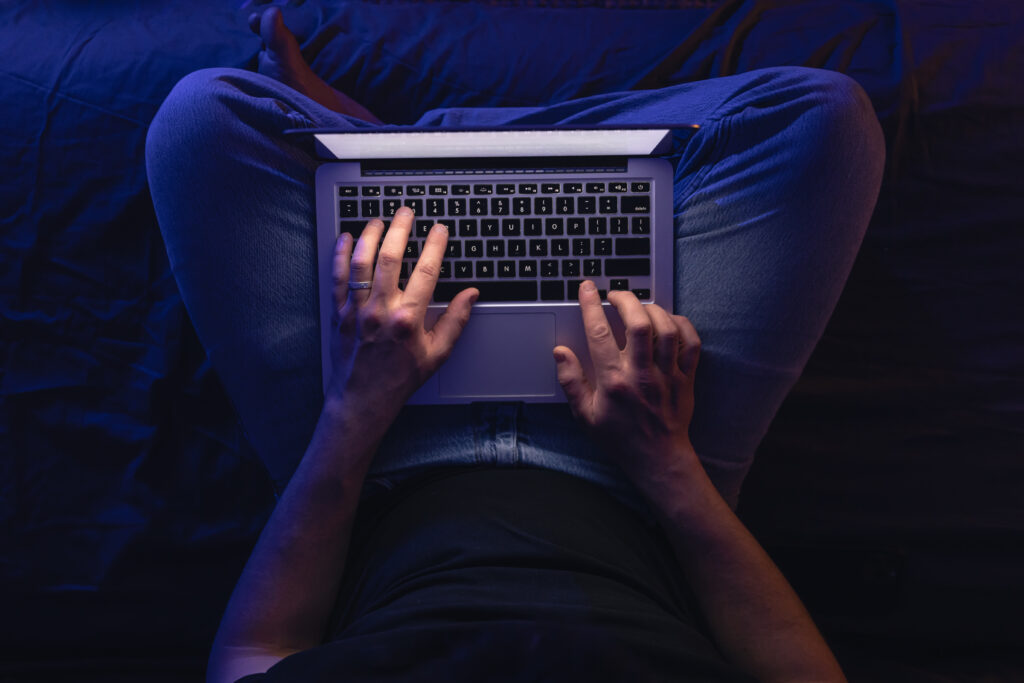
“The internet isn’t cleaned by algorithms. It’s cleaned by people.”
You may have reported a post on Instagram or flagged a video on TikTok, for it to either disappear from your feed or still remain there. You may have had your own post removed, with a vague message stating it violated community guidelines. It has certainly happened to me many a time.
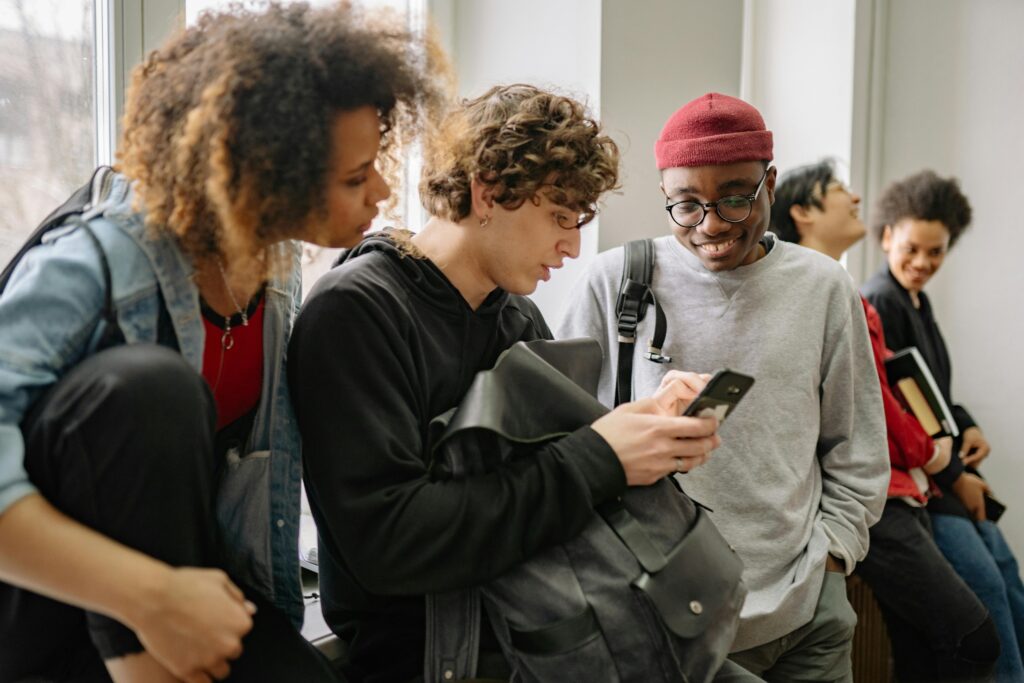
You scroll through Instagram, TikTok, or Facebook, and everything feels curated. The worst content—violence, hate speech, exploitation—is often missing or quickly disappears. Have you ever wondered how your feed stays (mostly) clean?
I always thought that perhaps it was some algorithm, trained in the background, quietly doing the job. After all, tech companies always promote AI as the solution to harmful content, so it’s easy to assume that artificial intelligence is doing all the heavy lifting in the background.
This got me interested in exploring how content is moderated. Why are some posts removed and not others? And that got me deep into the wormhole of exploring as to who is actually moderating the internet?
While algorithms are involved to a certain extent, the uncomfortable truth is that the internet is cleaned up by people. Real people like you and me, who are underpaid, invisible, and deeply affected by what they see.
This blog argues a powerful idea that is often overlooked due to its simplicity:
Social media moderation is not just a technical process—it is a global labour system that quietly outsources harm to the most vulnerable workers, often in the Global South.
To understand who really moderates the internet, we need to look behind the screen.
The Myth of Automated Moderation
In a world where AI seems to be increasingly dominating and is easily accessible, it’s no wonder that tech companies love to talk about it.
They spin a narrative of how AI can detect hate speech, remove harmful content, and keep platforms safe. It all sounds efficient, neutral, futuristic, and oh-so-amazing.
But this narrative hides something important.
As Sarah T. Roberts (2019) explains, content moderation is not just a technical challenge—it’s a deeply human process requiring judgment, cultural knowledge, and interpretation.
Let’s reflect on it
Pause and Think
Can an algorithm or AI answer these questions? In my humble opinion, no. These questions require context, cultural understanding, and human judgment (Roberts, 2019).
I do not deny that algorithms can help flag content, but humans are required to make the final call. Even the most advanced algorithms rely on humans to review the flagged content and train AI systems. AI doesn’t replace human moderators – it depends on them.
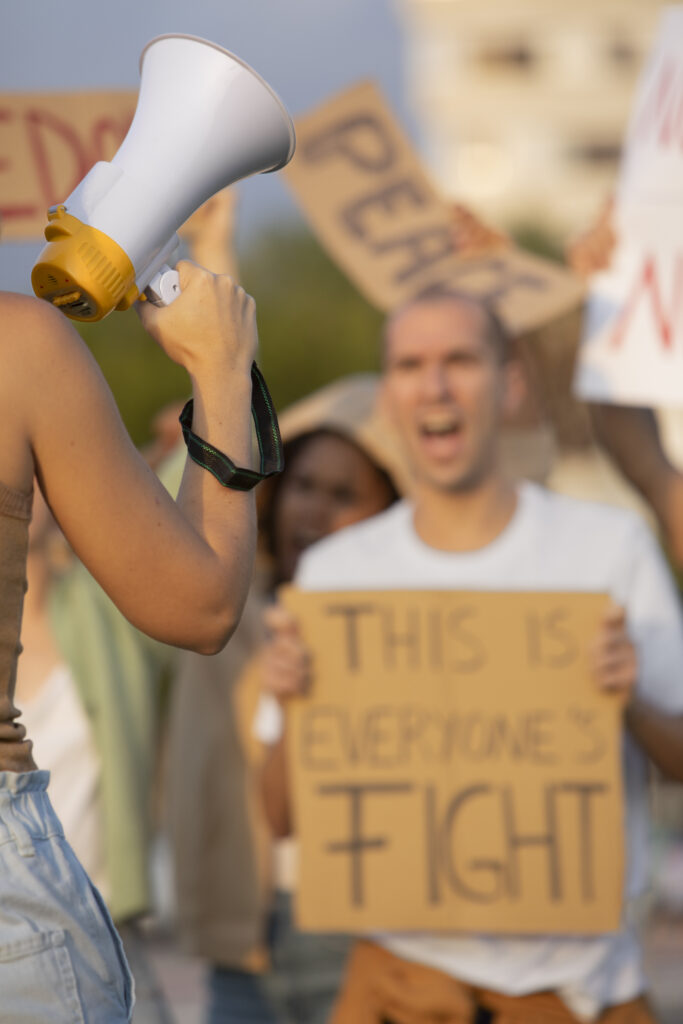
A video depicting the violence in Palestine – is it reporting or glorification?
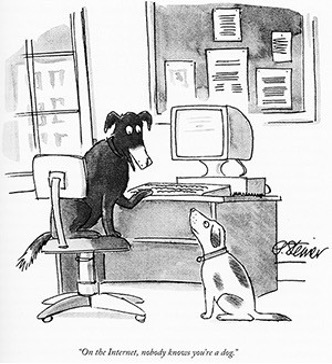
A satirical comic – is it hate speech or just political critique?

A picture depicting art – is it nudity or exploitation?
And considering the millions of pieces of content uploaded every hour (Behal, 2026), I wanted to know: Who are these people doing the work?
The Invisible Workforce: “Shadow Labourers” of the Internet
Your meticulously curated and clean feed is because of an invisible workforce, a workforce often described as “shadow labourers.” The internet might feel clean and seamless to users, but it is built on the hidden, messy human labour of exploited workers (Roberts, 2019).
These workers watch violent videos, review hate speech, classify pornography, label disturbing content to train AI systems, and do much more.
They are outsourced and subcontracted to lower-income regions and residents. And this outsourcing is not accidental, but structural (Roberts, 2019).
These workers spend 40 hours a week viewing the absolute worst of humanity—violence, abuse, and gore—to protect the platform’s brand. They are the invisible infrastructure of the internet, often signing non-disclosure agreements (NDAs) that keep their trauma hidden from the public (Roberts, 2019).
Research shows that moderation is often shifted to countries where labour is cheaper and regulations are weaker. It is frequently outsourced through third-party firms in lower-income regions (Roberts, 2019; Abedin, 2025).
This creates what the Institute for Human Rights and Business calls a “new factory floor” of digital labour, where workers perform repetitive, emotionally taxing tasks under precarious conditions (Abedin, 2025).
Why outsourcing? Because it is cheaper, easier to scale, and less visible to regulators and the public.
The benefits of digital platforms may be global, but the harms are unevenly distributed (Roberts, 2019).
Case Study: Rural Women Moderating the Internet in India
Let’s look at how this plays out in practice, by zooming in on a powerful case study on content moderators from my own country – India.
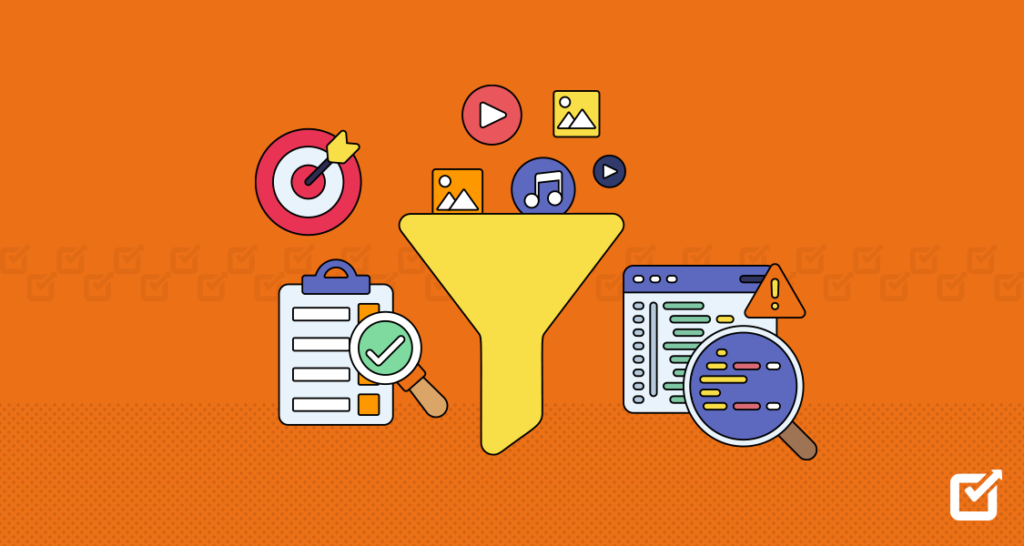
A 2026 investigation revealed the disturbing truth of rural women who moderate some of the internet’s most disgusting content. Content includes violence, sexual abuse, and extreme material (Behal, 2026; Ganguly, 2026).
Work is often done from home in low-connectivity rural areas (Behal, 2026). Content moderator jobs are often advertised as “easy digital work”, with little transparency about the actual tasks involved. Many workers only discover the nature of the content after signing contracts (Stiebert, 2026).
They are then subjected to severe emotional impacts, such as the inability to sleep, recurring nightmares, emotional numbness, and long-term desensitisation (Ganguly, 2026).
One worker, logging in from her home in Jharkhand, spends her days reviewing videos flagged by automated systems. On an average day, she watches hundreds of pieces of violent and explicit content (Behal, 2026).
Let that sink in.
Hundreds. Every single day.
And this isn’t just occasional exposure—it’s constant, repetitive, unavoidable.
One moderator explained that after months on the job, she no longer felt disturbed—she simply felt “blank” (Stiebert, 2026).
This emotional shutdown isn’t resilience—it’s a coping mechanism (Stiebert, 2026).
Researchers even classify this type of work as “dangerous labour”, comparable to high-risk industries (Behal, 2026; Stiebert, 2026).
The reason why content moderators are based in rural or semi-urban low-income regions is due to the lower cost of labour, limited employment opportunities, fewer protections, and weaker oversight (Behal, 2026; Abedin, 2025).
What is advertised as an opportunity is often precarious, emotionally harmful labour (Behal, 2026; Abedin, 2025).
The Global Inequality Behind Your Feed
What happens in India is replicated worldwide – it is a global system of digital inequality. Once you see the pattern, you can identify it everywhere (Roberts, 2019; Abedin, 2025):
| Who benefits? | Who bears the cost? |
| Tech Companies | Outsourced workers |
| Global users | Moderators in the Global South |
| AI systems | Human data labelers |
These platforms are based in wealthy countries and outsource the most disturbing aspects of moderation to workers in less privileged regions, leading to the creation of a “moral supply chain”.
Harmful content is globally produced, reviewed in low-income regions, and removed for users in high-income markets (Roberts, 2019).
The result?
Some people experience the internet as entertainment. Others experience it as trauma.
Why Don’t We Just Automate Everything?
If you’re wondering why not just automate everything, the answer is quite simple. You can’t automate human judgment; it is irreplaceable. Content moderation requires understanding cultural nuance, interpreting intent, balancing free speech vs harm, and applying evolving platform rules.
Hate speech varies across cultures and contexts; local slang or coded language can easily bypass AI detection, and cultural norms shape what is considered “offensive” (Sinpeng et al., 2021). Thus, even advanced AI would struggle to moderate such content.
Research on Facebook moderation in the Asia-Pacific region shows that automated systems often fail to capture language-specific and context-dependent forms of hate speech, essentially nuanced hate speech across languages and cultures.
For example, foreigners are mocked as “Foreign Masters” (洋大人)—a sarcastic term that implies they get special treatment. Because this is “politically safe” satire, it often evades the “Black Box” filters. Similarly, the LGBT community is framed as a “symbolic threat” to traditional family values. It requires a human who understands the culture to say, “Wait, that joke is actually an attack” (Sinpeng et al., 2021).
So, despite all the hype around AI: human labour is essential, but conveniently invisible.

The labour isn’t just in call centres; it’s on your screen. Every day, page administrators (like those for LGBTQ+ groups in the Asia-Pacific) are critical frontline gatekeepers. These individuals are almost always unpaid volunteers, not professionals, and they carry a massive emotional burden while receiving little support from platforms (Sinpeng et al., 2021).
The “Black Box” Problem: Why We Don’t See This Labour
If this work is so central, why don’t we hear about it more?
This is where Frank Pasquale’s (2015) idea of the “black box society” becomes useful.
Tech companies operate in ways that obscure how decisions are made and who is responsible, and content moderation is a perfect example of this. We can see the outcome (removed content), but not the process (who reviewed it, under what conditions).
This lack of transparency benefits platforms as it protects their brand image, avoids scrutiny of their labour practices, deflects accountability, and maintains the illusion of a neutral automated system.
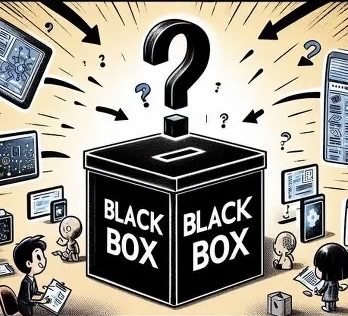
The invisibility of moderators is no mere accident – it is structurally built into the system.
Who Really Controls Online Speech?
At its core, content moderation is not just labour, but power – it is about governance.
- Moderators get to decide what stays online, what gets removed, and what counts as “acceptable speech”.
- The catch is that they need to follow strict guidelines set by corporations and thus have little autonomy. Company interests shape their decisions.
- On top of that, responsibility is also blurred as moderation is distributed across algorithms, human moderators, and us users reporting content.
- As Matamoros-Fernández’s (2017) work on “platformed racism” shows, platforms are not neutral—they actively shape what content circulates and what gets removed, often reinforcing existing inequalities (Matamoros-Fernández, 2017).
- Platforms are not neutral mirrors; they are active “amplifiers”. Features like “karma points” on Reddit or “likes” on Facebook incentivize “stickiness”—keeping you engaged by showing polarizing or controversial content (Lewis, 2018; Massanari, 2015).
- This creates “toxic technocultures” where design choices (like the lack of a “dislike” button on certain sites) make it harder to counter racism or abuse.
- The platform’s business model depends on your outrage, meaning they are, in a sense, manufacturing the very problem their human moderators are being paid to clean up.
Thus, moderation is and was never about safety – it’s about whose voices are amplified and whose are silenced. It is where technology, politics, and power intersect.
The Hidden Contradiction of “Safe” Platforms
Social media platforms advertise themselves as safe, inclusive, and responsible, while behind the scenes, they rely on outsourcing practices that shift risks elsewhere, labour systems that lack protections, and expose workers to unsafe content.
Their purported user safety is built on worker vulnerability. This is why some researchers describe moderation as a digital form of industrial labour, where workers absorb harm so platforms can function smoothly (Roberts, 2019; Abedin, 2025).
The internet isn’t naturally safe—it is made safe through hidden human labour.
What Needs to Change?
The internet isn’t broken; it’s working exactly how it was designed. The clear takeaway for 2026 is that platforms must accept a “statutory duty of care”. This means they should be legally responsible for the “reasonably foreseeable” harms caused by their design and business choices, just like any other public space.
We need structural change to make a difference; it’s not enough to just “acknowledge” moderators and their work.

1. Better labour protections for moderators: Fair wages, mental health support, safe working conditions, the right to refuse harmful tasks.
2. Transparency from platforms: Disclosure of where moderation happens, who performs it, and under what conditions.
We need to move away from the myth that AI is doing all the work and recognise that it depends on human labour – often hidden and exploited.
Governments, companies and users all play a role in shaping the online space. Moderation should not be left to invisible workers alone.
If we want a better internet, we have to start by opening the ‘Black Box’.
Final Takeaway: The Internet is Not Clean—It’s Cleaned
The next time you scroll through your feed and don’t see violence, hate, or explicit content, you will not assume that “that’s just how the platform works”.
Or at least I hope so; otherwise, this blog will have been a futile exercise and failed to achieve its intended purpose.
Remember that behind that seamless experience, there is a global workforce:
- Watching what you don’t see
- Filtering what you don’t encounter
- Absorbing what you never have to think about
So, the real answer to the question—
Who moderates the internet?
is this: not algorithms or companies, but thousands of invisible workers whose labour and suffering keep the digital world running.
And until we recognise and address that reality, the internet will remain what it already is:
Not a purely technological system—but a deeply human one, shaped by inequality, power, and hidden labour.
“Behind every removed post is a person who had to see it first.”
References
Abedin, E. (2025). Content moderation is a new factory floor of exploitation – labour protections must catch up. Institute for Human Rights and Business.
Behal, A. (2026). ‘In the end, you feel blank’: India’s female workers watching hours of abusive content to train AI. The Guardian.
Ganguly, S. (2026). The exploitation and trauma of India’s women moderators of AI content. Change in Content.
Lewis, R. (2018). Alternative influence: Broadcasting the reactionary right on YouTube. Data & Society Research Institute.
Massanari, A. (2015). Participatory culture, community, and play: Learning from Reddit. Peter Lang.
Matamoros-Fernández, A. (2017). Platformed racism: The mediation and circulation of an Australian race-based controversy on Twitter, Facebook and YouTube. Information, Communication & Society, 20(6), 930–946.
Pasquale, F. (2015). The black box society: The secret algorithms that control money and information. Harvard University Press.
Roberts, S. T. (2019). Behind the screen: Content moderation in the shadows of social media. Yale University Press.
Sinpeng, A., Martin, F., Gelber, K., & Shields, K. (2021). Facebook: Regulating hate speech in the Asia Pacific. University of Sydney & University of Queensland.
Stiebert, J. (2026). India: Workers made to view violent images for AI training.
Be the first to comment