The Problem with Platform Control
Harmful content is not going away. Social media platforms continue to strengthen moderation systems, yet hate speech, aggressive comments and misleading information still appear frequently in everyday feeds.In other instances, they do so quicker and to a larger number of people. One the one hand, platforms focus on their desire to form a safe environment. On the other hand, they fail to control these issues successfully. The discrepancy between the promises made by the platforms and the reality creates a significant issue: why is the spread of harmful content persisting?

It is particularly obvious on X. Since Elon Musk has taken over, moderation policies changed, and people have been concerned about increased hate speech and decreased governance. It indicates that the problem is not merely a question of moderation capability, but it is rather more complicated than that.

Harmful content is still everywhere because of how platforms work.The engagement-oriented algorithm and the business model based on attention will contribute to amplifying the emotional and controversial information so as it becomes more apparent and can be spread more easily.
Moderation Looks Good—But Doesn’t Work
Content moderation is frequently regarded as one of the most important governance tools. Yet, in reality, problematic content may be present on the platforms over extended time despite reports. It casts doubt on the effectiveness of the platforms.
According to the observations of Sinpeng et al. (2021), hate speech is extremely situational, which makes its detection by automatic systems and universal principles challenging. There are still obvious blind spots even with better technology.
Simultaneously, it is not always effectively implemented. Those users who report on the same content again and again and do not get any feedback may have a phenomenon of reporting fatigue which would decrease their engagement into governance (Sinpeng, 2021). There are also doubts about the equality due to the lack of uniformity of the standards in different areas.
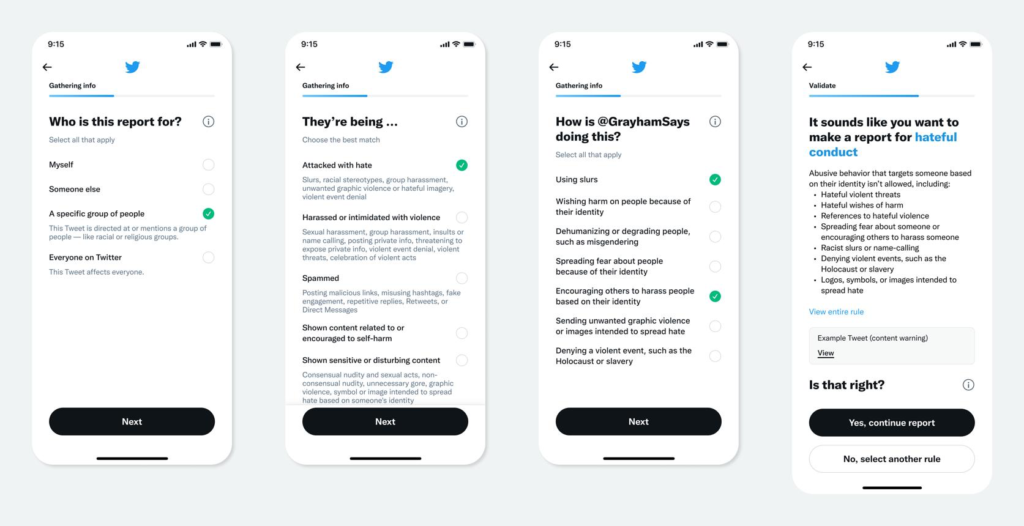
In particular, moderation issues are not purely technical. According to Woods and Perrin (2019), the notion of platform governance must be approached in terms of system design and risk management. Many platforms use reactive moderation, which implies that much of the malicious content can spread before being deleted. Platforms therefore seem to be taking care of content, however, the administration tends to be late and restricted, and this produces an illusion of moderation.
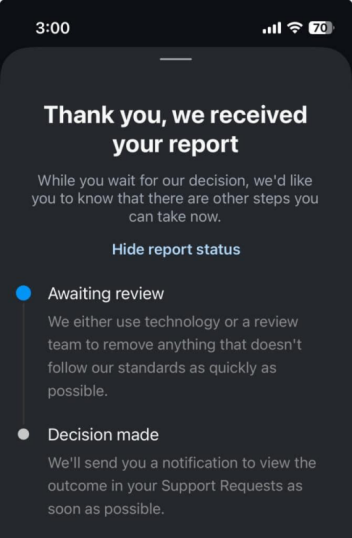
Figure 4. A reporting interface showing delayed moderation and review processes.
What Happened When X Loosened Moderation
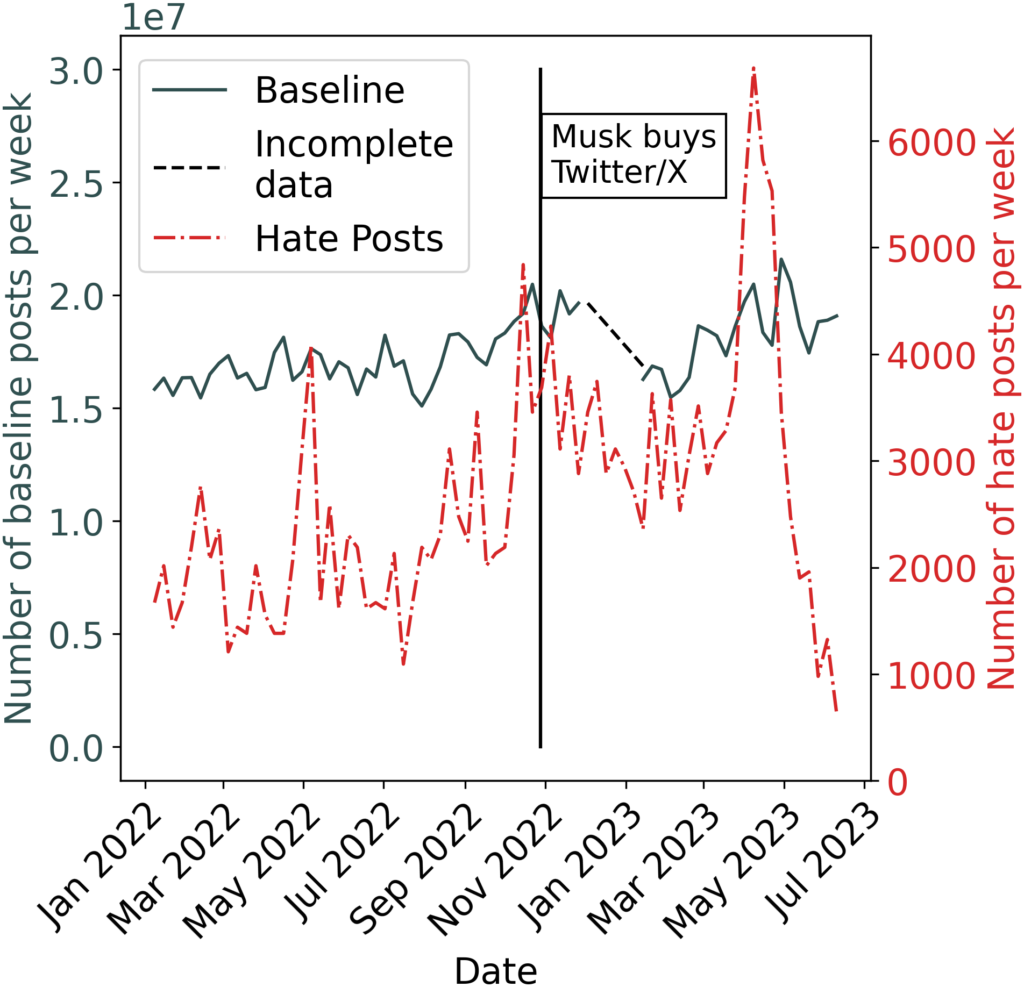
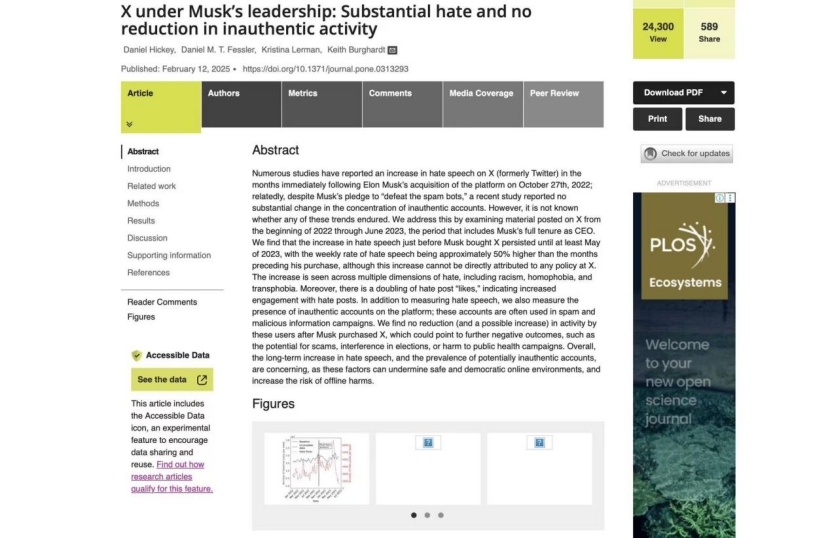
Since the acquisition of X by Elon Musk in 2022, the management of content on the platform has undergone drastic changes. To begin with, the platform decreased the number of moderating team members, and altered their earlier policies, with a focus on less intervention in speech. The change was soon made controversial in practice. A few studies and media coverage indicate that hate speech on the platform has grown since the purchase. As an example, a paper written in PLOS ONE showed that the hate speech on X still increased over time since the takeover and even gained more engagement, i.e., more likes and reposts (Hickey et al., 2025). In the same vein, media coverage has stated that because there are less moderation resources, the dissemination of hate speech and misinformation has been increasing (Morris-Grant, 2025). Such modifications imply that as the regulation is eased, the total content atmosphere of the platform has become different.
Nevertheless, such an explanation as less moderation resulting in more problems is fairly shallow. What is even more interesting is the question of why the harmful content not just grows in volume, but becomes more visible to the users in case of the decrease in moderation? On user experience, this kind of content is typically associated with increased interactions. It is more common in comments and recommendations lists, thus creating the impression that it is more present. This indicates that the problem is not merely related to the volume of harmful content but also the manner in which it is shown and spread across the platform.
Moreover, the very nature of hate speech contributes to making moderation harder. Hate speech is mostly based on particular cultural contexts, metaphors, and group identities, making it challenging to detect it with the help of regular rules or automation. The issue is even more apparent on the global scale of X. With limited human moderation capabilities, and automated systems that cannot comprehend intricate contexts well, an excessive volume of so-called borderline or indirect aggression can be avoided by the system. It does not only add to the real volume of harmful content, but also increases its visibility in the daily browsing experience of users.
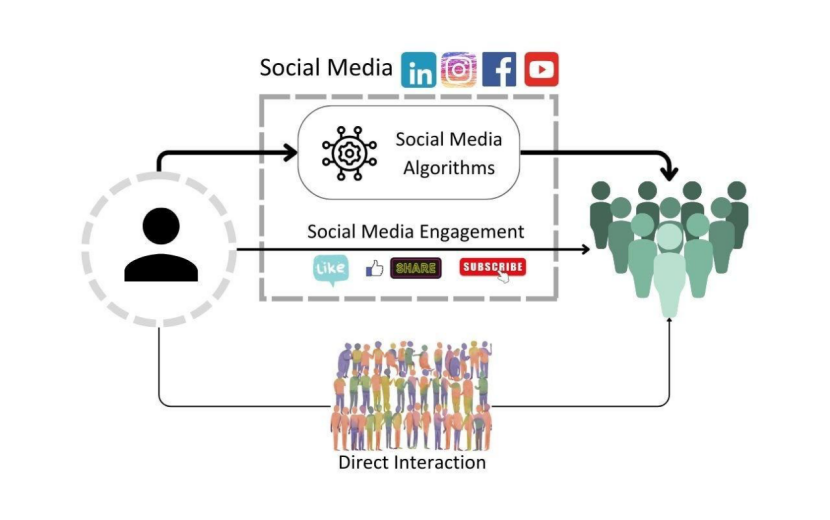
Figure 7. Social media algorithms amplifying content through user engagement.
Thus, the example of X unveils a hidden truth: the proliferation of damaging materials is not an accident; it is directly connected to the nature of the platform. In the event where moderation is undermined, this type of content not only becomes more apparent, but also more noticeable in the entire platform. It implies that the issue of platform management is not merely an issue of whether moderation is present or not, but ought to be viewed in connection with the system of content distribution and the general design philosophy of the platform.
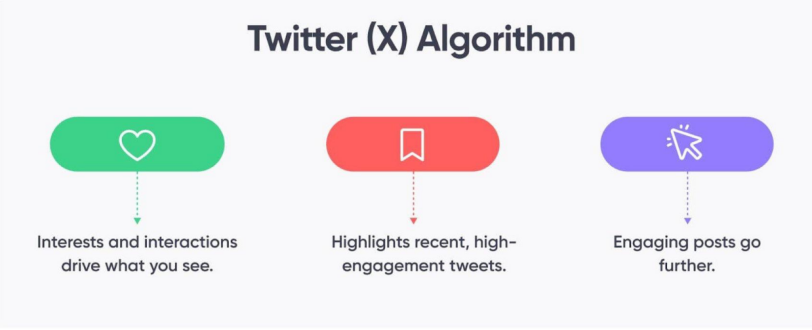
Why content spreads: Algorithms & engagement
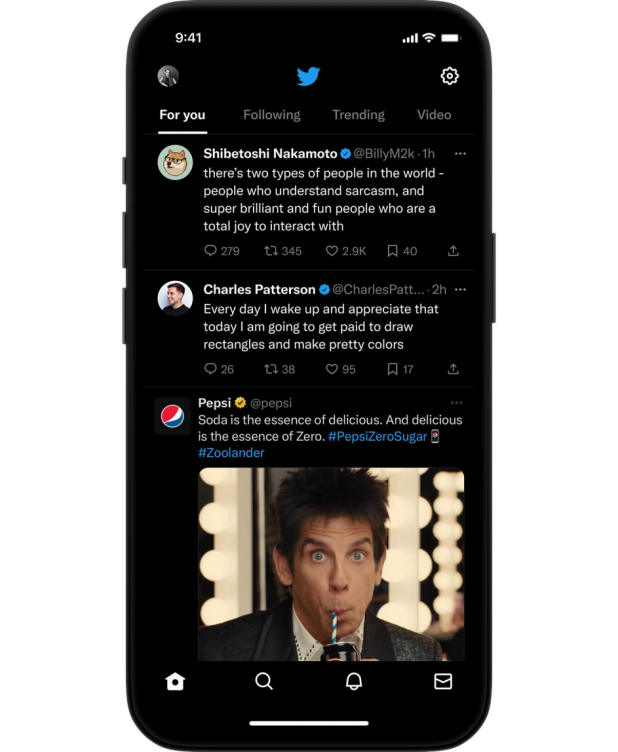
In digital environments, the dissemination of content is also significantly influenced by algorithms and user activity. Let us take X as an illustration; its For You feed would mostly rank content depending on user behaviour including likes, comments, reposts and time spent on a post. The engagement-driven logic, as highlighted by Massanari (2017) in her analysis of Reddit, reveals that the design of a platform is not unbiased. Consequently, algorithms have a tendency to favour the type of content that can be highly reactive, instead of less reactive or more rational pieces.
The same mechanism can also be observed when discussing controversial topics on the platform. When the topic is related to politics or social issues, the post is more likely to include strong opinions, heavy tone, or even aggressive language. Such posts frequently cause conflicting reactions among users, including arguments or emotional reactions. Conversely, material that emphasizes the facts and is presented in a more neutral tone tend to be more informative. Consequently, it does not appear as much in the recommendation system.
It is in relation to the structure that it can be stated that it is a form of a process referred to as an algorithmic amplification. It will push it to more people because this will lead to an increase in the overall exposure. It is repeated and spread over time because it is provocative and emotional. The algorithm will not take into account any social risks posed by the content or not.
Moreover, the presented circulation pattern has a strong connection with the business goals of the platform. Within the context of the attention economy, platforms aim to increase user engagement and the duration of time that users spend online. Emotional response evoking content is better at achieving this. Remarks of extreme or polarizing nature are also more susceptible to being seen and gradually dominate the user feed. This implies that the massive spreading of such material is not accidental but the result of combined effects of algorithmic logic and interaction mechanism.
Why moderation fails: Business model & governance
The present-day issues of platform governance are not necessarily due to the limitations of moderation technologies or their ability to implement them. There is an underlying reason why this happens; it is the clash of business models of platforms and their governance goals. Social media-based media platforms are part of the attention economy. Not merely it is about enhancing the volume of interactions that are preferred but transforming user behavior such as time spent, clicks and interactions into something worth value which can be monetized.
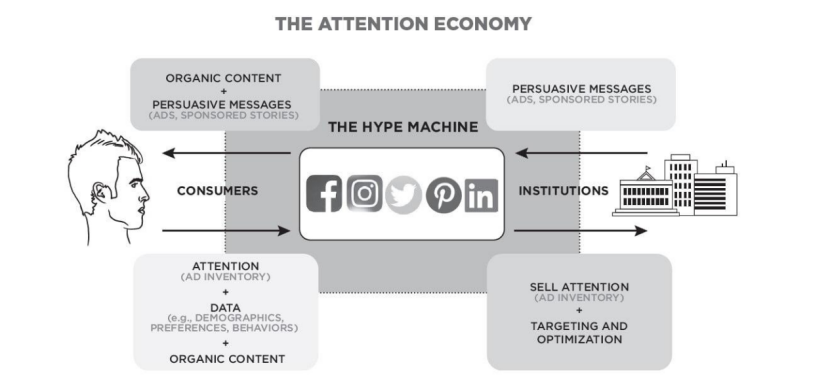
Consequently, as a consequence, platforms are faced with a structural conflict between regulating of contents and ensuring the user engagement. On one side, they claim that they offer a safe and controlled environment by means of community rules and moderation tools. On the other hand, their business is based on content that will bring them more interaction. The contradiction between the two ideas of safety and engagement does not make it easy to implement the importance of risk control in practice. Instead, they should constantly try to strike a balance between the management of content and user engagement. As Woods and Perrin (2019) state, there should be no discussion on whether particular pieces of content were removed or not, but the problem of platforms is to be analyzed in terms of the whole system architecture and processes of risk management.
Furthermore, the governance mechanisms may be unreliable in reality. As Gillespie (2018) notes, however, despite the fact that the rules may seem clear cut to the platforms, application typically rests on situational discretion and the aims of the platform. This makes it difficult to ensure that the same principles are used. The moderation process is also quite a tiresome job and some individuals do it under severe pressure as stated by Roberts (2019). With so much amount of content, it would be hard to maintain consistent standards over time. They all lead to the inconsistency and unpredictability of moderation outcomes.
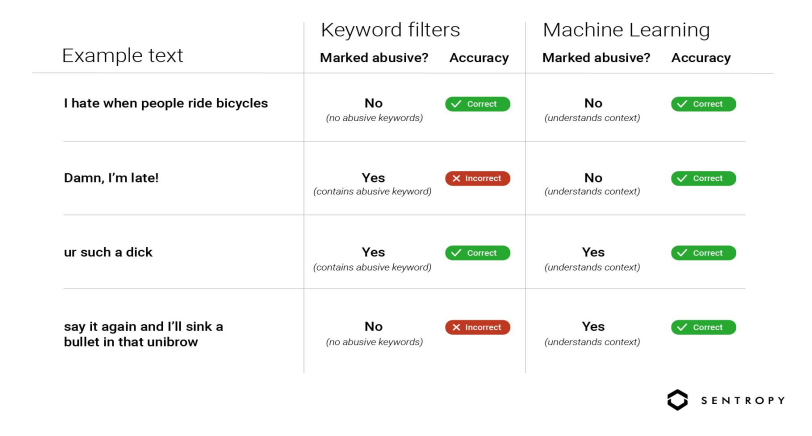
Nevertheless, culture can also make governance difficult on a global scale. As previously stated, different languages, states, and communities may read harmful material differently. This means that it is not possible to have a common standard in every case. The result therefore is that the precision of identifying the content is low and the users are prone to question the equality of the platform management.
It can therefore be asserted that the defeat of moderation is not an accident. It depends on the combination of commercial interests, governance models, and enforcement practices. This implication of this analysis is that the most important issue is not the mere presence of the need to enhance the role of moderation, but rather the overall design of the platforms, the goals of the system in general.
Comparison: TikTok / AI
In order to have a better understanding of the platform principles, X can be compared with both TikTok and generative AI. The behavior of users such as watch time and comments is highly influential in TikTok recommendation system. Emotional attractive materials are thus more vulnerable to spread.
To illustrate this point, videos with a fast-paced nature of creating conflict or tension are likely to gain publicity and coverage as well as being recommended over and over again whereas the less intense content receives fewer views.

Stable Diffusion is a type of generative AI system. The content was produced through direct inputs by users, which can result in harmful outputs because of repeated corrections. It therefore complicates real time intervention.

It can be seen in both examples that platform systems tend to amplify content that triggers reactions rather than the content of higher quality.
Why This Matters
Conclusively, the fact that the spread of negative news happens through digital media is not accidental but due to the structural aspects of the platforms. Be it a controversial discussion encouraged on X or controversy-oriented content on TikTok posted through comments, all these indicate that the platforms are more prone to concentrate on the content which can be emotional rather than on the more important or rational content. However, there are also gaps in the implementation of governance and insufficient moderating tools which weaken the strength of content control.
Therefore, the primary issue is not necessarily the manner in which moderation could be improved but rather how platforms are developed and what they intend to achieve. Distribution of content will be guided by attention and engagement until the behavior of users is converted into the commercial value. To reduce this amplification of toxic information is difficult. In a wider perspective, it means that we need to shift our focus on individual contents to the platform structure and the technological logic behind them and reconsider the future approach to governance and regulation based on these insights. The essay therefore holds that harmful content endures due to non-functionality of moderation, but owing to the influence of platform design and commercial logic on visibility and virality of the content.
References
Gillespie, T. (2018). Custodians of the internet : platforms, content moderation, and the hidden decisions that shape social media. New Haven, CT: Yale University Press.
Hickey, D., Fessler, D. M. T., Lerman, K., & Burghardt, K. (2025). X under Musk’s leadership: Substantial hate and no reduction in inauthentic activity. PLOS ONE, 20(2), e0313293. https://doi.org/10.1371/journal.pone.0313293
Massanari, A. (2017). #Gamergate and The Fappening: How Reddit’s algorithm, governance, and culture support toxic technocultures. New Media & Society, 19(3), 329–346. https://doi.org/10.1177/1461444815608807
Morris-Grant, B. (2025, February 12). Elon Musk promised to stamp out hate speech and bots on X. New research shows neither happened. Abc.net.au; ABC News. https://www.abc.net.au/news/2025-02-13/hate-speech-bots-twitter-report/104923196
Roberts, S. T. (2019). Behind the screen: Content moderation in the shadows of social media. Yale University Press.
Sinpeng, A. (2021). Facebook: Regulating Hate Speech in the Asia Pacific. https://appap.group.uq.edu.au/files/1779/2021_Facebook_hate_speech_Asia_report.pdf
Woods, L., & Perrin, W. (2019). Online harm reduction – a statutory duty of care and regulator. SSRN Electronic Journal. https://doi.org/10.2139/ssrn.4003986
Be the first to comment