‘I’ve witnessed firsthand the damage of what happens when your life is put online…there’s no ethical way to do it’ – Shari Franke (‘8 Passengers’ Family Channel)
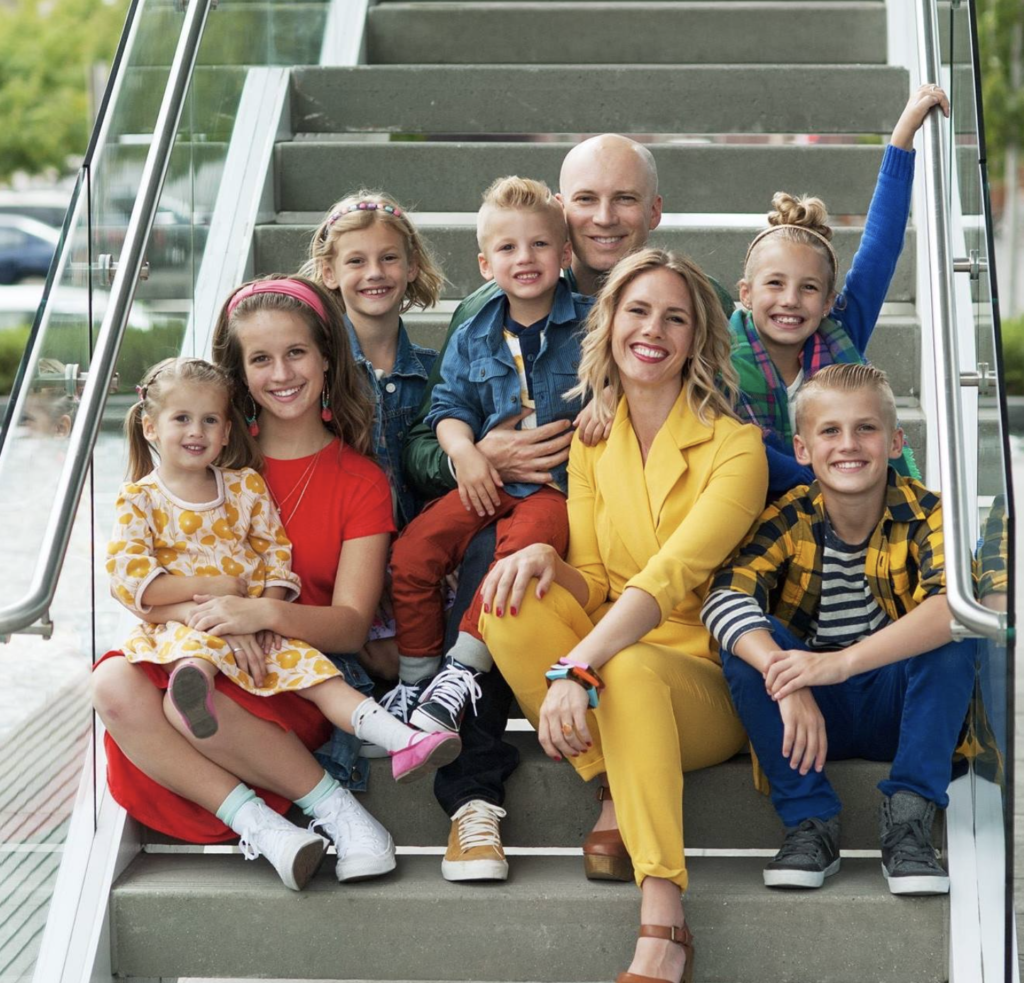
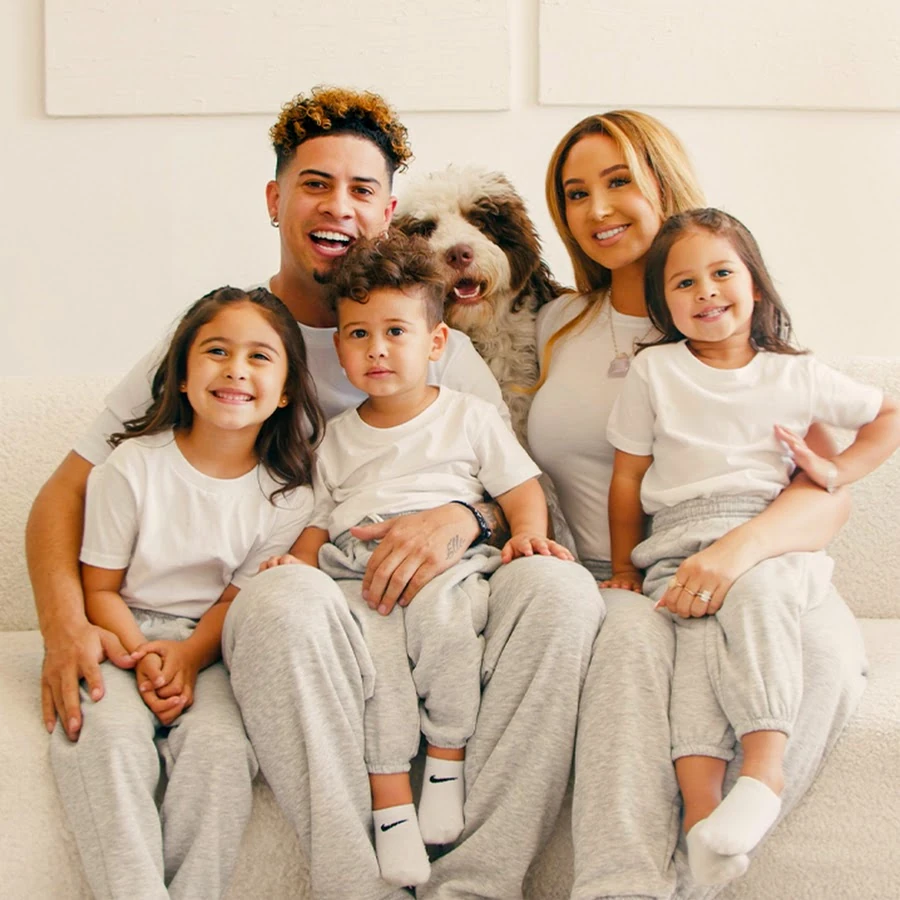
They look like any other family you might know: children laughing, outfits carefully coordinated, the rhythms of mundane everyday life playing out—except this time, everyone is watching. Every week, subscribers from across the world tune in to catch up on these families’ lives, peering behind closed doors and intimately inside the family home to share in both the mundane and milestone moments. However, behind the curated snapshot of their daily adventures, a grim and dark reality exists.
In 2023, the popular family YouTube channel ‘8 Passengers’ became the centre of global shock and attention when its creator, Ruby Franke, a stay-at-home mum, was arrested and later convicted of multiple counts of aggravated child abuse. The youngest two of Ruby’s six children, whose entire lives we watched unfold on the ‘8 Passengers’ family channel, were discovered surviving in appalling conditions of neglect and abuse after one child had escaped and alerted authorities. This shocking revelation raised unsettling questions about what audiences had been witnessing all along, exposing how media content framed as authentic may not truly be as it seems.
The Franke case was a wake-up call; it ignited a deeper look into the realities of family vlogging from the perspective of children. It sparked scrutiny about the presence of children on the internet and conversations about privacy, consent, child welfare, exploitation and the negative implications of growing up online. Before this, family vlogging was framed as largely a harmless and wholesome family activity. However, it’s time we recognise family vlogging for what it really is: an exploitative system which monetises childhood moments, experiences, emotions, and vulnerabilities for profile and fame. What once appeared as adorable and innocent entertainment now raises serious concerns about the welfare, rights, and best interests of children.
What is Family Vlogging?
Family vlogging is a sub-genre of YouTube video content in which creators document their everyday family lives, especially focusing on their children’s lives. The idea of recording family home videos is not novel; families have been making home videos of themselves since the invention of the handheld video recorder to capture special childhood moments. This popular pastime gradually evolved with the rise of the internet, as parents began posting their family home videos online.
As events like the Global Financial Crisis drastically drove up living costs, many families faced reduced income and support, forcing mums to stay at home and manage childcare responsibilities. These ‘mummy vloggers’ began creating and sharing their home videos to show an authentic, real-life glimpse into modern motherhood and build a sense of community with other mums in similar situations. However, a much wider audience became intrigued by this raw, behind-the-scenes family-centred content. As audiences connected with the authenticity of the content, viewership grew rapidly. This level of attention, influence, and reach enabled these fast-growing family channels to become a lucrative commercial opportunity, which generated high income through ads, sponsorships, and brand deals. This new set-up allowed ‘mommy vloggers’ to monetise their content and earn a good source of income while staying at home taking care of their children. However, in an effort to sustain this income stream, content creators are compelled to share more and more of their children’s lives, shifting the focus of family vlogging from documenting family life to actively producing it.
Case Study: ‘8 Passengers’ Family Channel and Online Harms in Practice
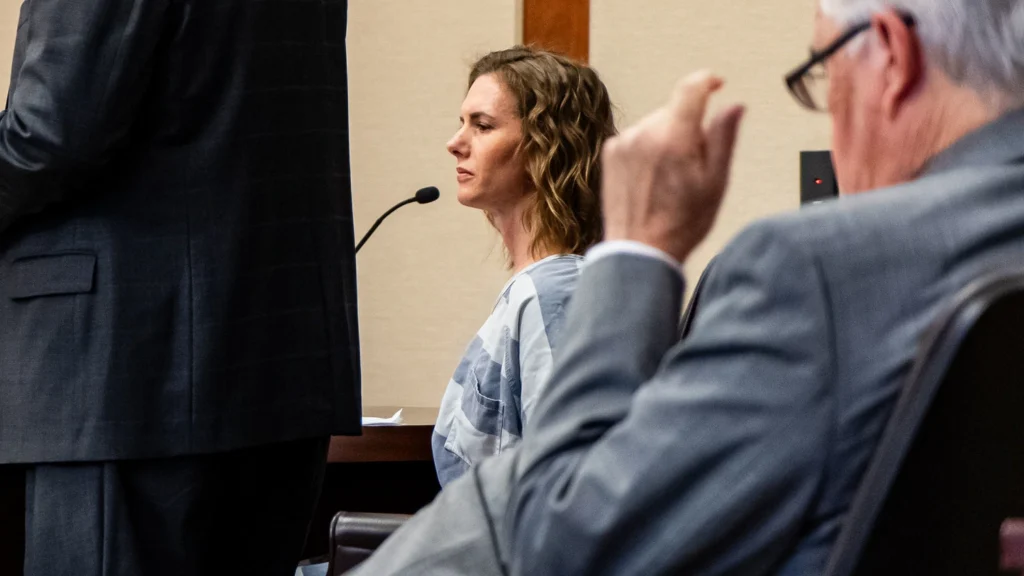
The case of the Franke children is truly tragic.
Although an extreme example of online harms, it’s a useful case study to discuss the deeper structural issues within family vlogging. The unsettling events which occurred in the Franke house were not simply the result of an individual’s wrongdoing, but a by-product of a deeply flawed system that rewards visibility and engagement without safeguards for children.
For over seven years, the ‘8 Passengers’ family channel dominated, bringing in over 2.5 million followers and over 1 billion views. Ruby closely documented her family life as a stay-at-home mum of six children, showing all the ups and downs, giving parental advice and insight into her strict and unconventional parenting methods. The channel grew in popularity through Ruby’s candid and seemingly honest portrayal of motherhood, building its success on the promise of authenticity and presenting a carefully curated image of family life that resonated strongly with subscribers. Yet in reality, this aura of authenticity was itself carefully constructed, shaped by which family clips were chosen to be filmed, edited, and uploaded for consumption.
The arrest and criminal conviction of Ruby Franke exposed the deep disconnect between the curated and polished online image and the tragic lived reality of the children involved. The ‘8 Passengers’ case highlights the industry risks of family vlogging, which risks privacy, meaningful consent and exploitation of young children.
Online Harms – Loss of Privacy and Meaningful Consent
At the core of family vlogging lies a fundamental power imbalance between parents and children, in which parents solely control what of their children’s lives is filmed, edited, and shared online. The children of family vloggers who use them for content have no autonomy over their privacy. This is especially significant in Australia’s digital landscape because children and young people under the age of 16 years old are unable to independently access and control their own social media accounts.
Unfortunately, these children are forced to grow up in front of the camera and experience all aspects of their childhood, such as tantrums, discipline, illness, or emotional distress, as millions of strangers watch along for entertainment. This content is deeply personal; the public exposure of this information makes the children of family vloggers publicly accessible and vulnerable to criticism. Growing up this way exposes them to many harms, including bullying, potential embarrassment, social judgement, and long-term impacts on their sense of self and future opportunities. Even more concerningly, the public availability of these children’s images and voices creates ample opportunities for malicious actors to misuse them for criminal purposes, especially with the rise of accessible AI technologies significantly increasing their vulnerability to new forms of online harm. The negative consequences extend far beyond the moment of filming, raising serious questions about autonomy, dignity, and what it means to grow up in an environment where privacy does not exist.
The power imbalance between parents and children undermines meaningful consent to participate in family vlogging. Since many children are filmed from when they are babies, they lack the capacity and knowledge to even understand the long-term implications of growing up online, leaving them with essentially no real choice over how their lives are shared online.
Shari Franke, the eldest daughter of Ruby Franke, grew up online as part of the ‘8 Passengers’ family channel. Her perspective is a rare chance to understand the lived experience of a child growing up on camera. As a vocal critic of family vlogging, in her new book, ‘The House of My Mother: A Daughter’s Quest for Freedom’, she challenges the notion that children can truly consent to vlogging because their participation is shaped by parental authority rather than genuine choice Her critique highlights how children are often unable to refuse participation due to their unique circumstance and are trapped my the family role. She advocated for the introduction of ‘right to remove’ laws in the United States, similar to new laws implemented in France, which allow children to request the deletion of content featuring them to which they did not consent.
Online Harms — Exploitation and Digital Labour
If we observe family vlogging from a different lens, looking at it through the lens of labour and as a transactional relationship between employee and employer, the dynamics of family vlogging become more grim. In the context of family vlogging, the relationship between parent and child is not just a familial one but also economic; it begins to resemble one of employer and employee. Children of family vloggers are expected every day to perform, to be documented, to be an input of production, and to assist in the supply of content which is monetised to generate the channel’s revenue stream. Yet, unlike formal employees, they have no guaranteed income, no control over their participation, and no clear avenue to refuse or withdraw. As family vlogging has evolved into a profitable industry, children’s participation increasingly resembles a form of unregulated digital labour. Unlike traditional children actors working on professional sets, who are heavily protected by legislation on working hours, education, and income, children of family vloggers exist in a legal grey area with no rights and no protection. This lack of legal recognition of children of family vloggers as workers has severe future implications as children risk not being compensated for their contribution with earnings typically controlled by parents who act simultaneously as caregivers, managers, and financial beneficiaries. While many parents may act in good faith, the structure itself creates a clear conflict of interest.
Many jurisdictions have recognised this imbalance of finance power and begun introducing creative legislation.
‘In August 2023, Illinois became the first and only state to enact legislation giving rights to children featured in for-profit family vlogs…amending its Child Labour Law, Illinois now requires parents to put aside a percentage of earnings from content into a blocked trust fund’ – Camille Laude
Similarly, in 2024, California extended its child performer legal protections to children featured in monetised online content, requiring a portion of 30% earnings to be placed in a protected trust. Although legislation such as these are a significant step forward, it remains limited in scope as family vlogger families can move to other states with looser regulations to avoid unfavourable laws.
Family vlogging problematically blurs the line between sharing and commodifying childhood, exposing children to several risks that extend far beyond the screen. What appears as harmless content and family fun is shaped by a deeply flawed structural system that rewards visibility and intimacy, often at the expense of privacy, consent, and well-being. In Australia, the absence of clear regulation leaves children particularly vulnerable, despite growing international recognition of these harms. Addressing this requires a shift in perspective, one that recognises children not as content, but as online rights holders and employees entitled to legal protection. Without meaningful reform, the costs of growing up online will continue to be dark.
References
ABC News. (2025, January 12). Part 2: Shari Franke, eldest daughter of Ruby Franke, speaks out [Video]. YouTube. https://youtu.be/gniPg0mTtf8
BBC News. (2024, February 21). Ruby Franke: YouTuber sentenced in child abuse case. https://www.bbc.com/news/world-us-canada-68353302
BBC News. (2010, August 16). Web users warned over social networking risks. https://www.bbc.co.uk/news/technology-11004804
BBC News. (2020, October 7). France passes new law to protect child influencers. https://www.bbc.com/news/world-europe-54447491
Caruso, S. (2025, January 4). Why Shari Franke is speaking out against family vlogging after surviving mom’s abuse: “No ethical way to do it”. People. https://people.com/why-shari-franke-is-speaking-out-against-family-vlogging-8768838
CNN. (2023, August 16). Illinois law will require parents to compensate child influencers. https://edition.cnn.com/2023/08/16/tech/kid-influencer-law
Flew, T. (2021). Hate speech and online abuse. In Regulating platforms. Polity Press.
Hibbert, C. M. (2024, October 10). How California’s child influencer law aims to protect kids online. Northeastern Global News. https://news.northeastern.edu/2024/10/10/californias-child-influencer-law/
Laude, C. (2024). Family vlogging and child harm: A need for nationwide protection. Jurimetrics Journal, 64(3), 285–308. https://www.americanbar.org/content/dam/aba/publications/Jurimetrics/spring-2024/family-vlogging-and-child-harm-a-need-for-nationwide-protection.pdf
Muleskinner News. (n.d.). YouTube family turned destructive. https://muleskinnernews.com/48228/showcase/youtube-family-turned-destructive/
The Michigan Daily. (2025, February 12). The House of My Mother: A Daughter’s Quest for Freedom — The Frankes’ house was not a home. https://www.michigandaily.com/arts/books/the-house-of-my-mother-a-daughters-quest-for-freedom-the-frankes-house-was-not-a-home/
—8 Passengers. (2021, March 25). Family group photo [Photograph]. Facebook. https://www.facebook.com/
Be the first to comment