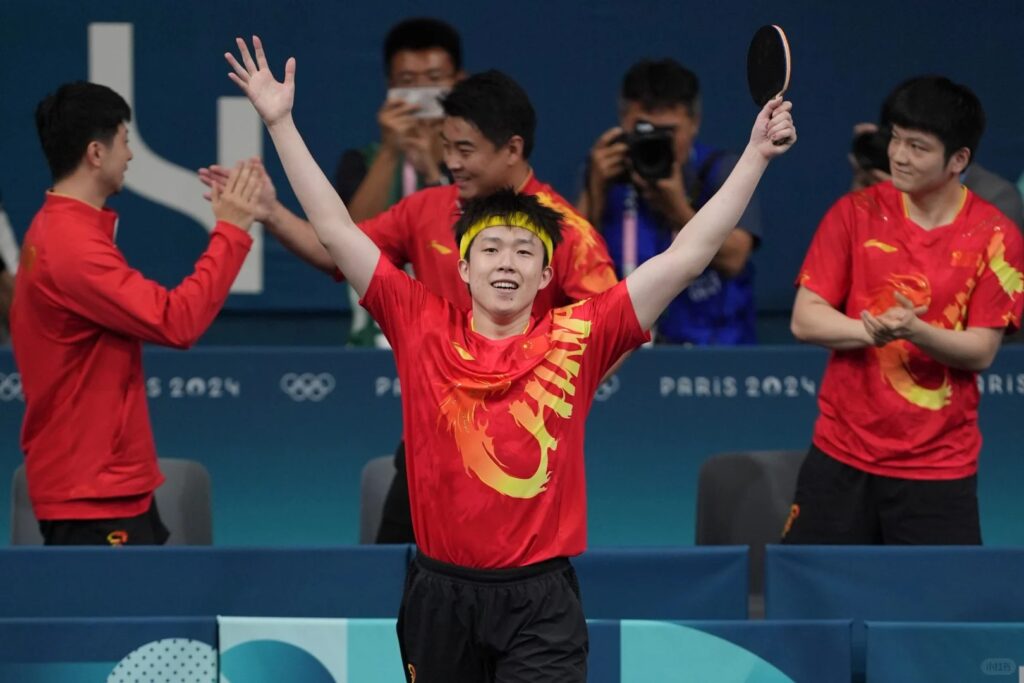
Have you ever stopped to think about what happens to elite athletes the moment they step off the Olympic podium, take off their medals, and scroll through their phones?
We cheer them on as they win gold, wave our national flags, and celebrate their years of hard work—but far too often, the glow of victory fades instantly, replaced by a flood of cruel, unprovoked online hate. For Wang Chuqin, the 2024 Paris Olympic table tennis mixed doubles champion, this nightmare began less than 24 hours after he stood atop the podium, and it dragged on for 114 days of relentless digital abuse. His story is not an isolated incident; it is a stark example of how online hate speech has evolved from harmless online banter into a serious form of digital harm, targeting even the most successful athletes in the world, and tearing at the fabric of respectful online discourse.
In this post, we’ll explore what online hate speech against athletes looks like, using Wang Chuqin’s experience as a core case study, examine the real and lasting harm it causes, unpack why this kind of digital abuse has become so rampant in sports, and share what every one of us can do to push back against it because online hate doesn’t just affect celebrities, it affects the kind of digital world we all choose to live in.
The Unraveling of a Champion: Wang Chuqin’s Ordeal with Online Hate
Wang Chuqin’s journey through online hate is a textbook case of how a single, unexpected setback can snowball into a full-scale digital attack, fueled by misinformation, double standards, and anonymous cruelty. To understand the harm, firstly we need to look at the facts of what happened, and how quickly public sentiment turned from admiration to vitriol.
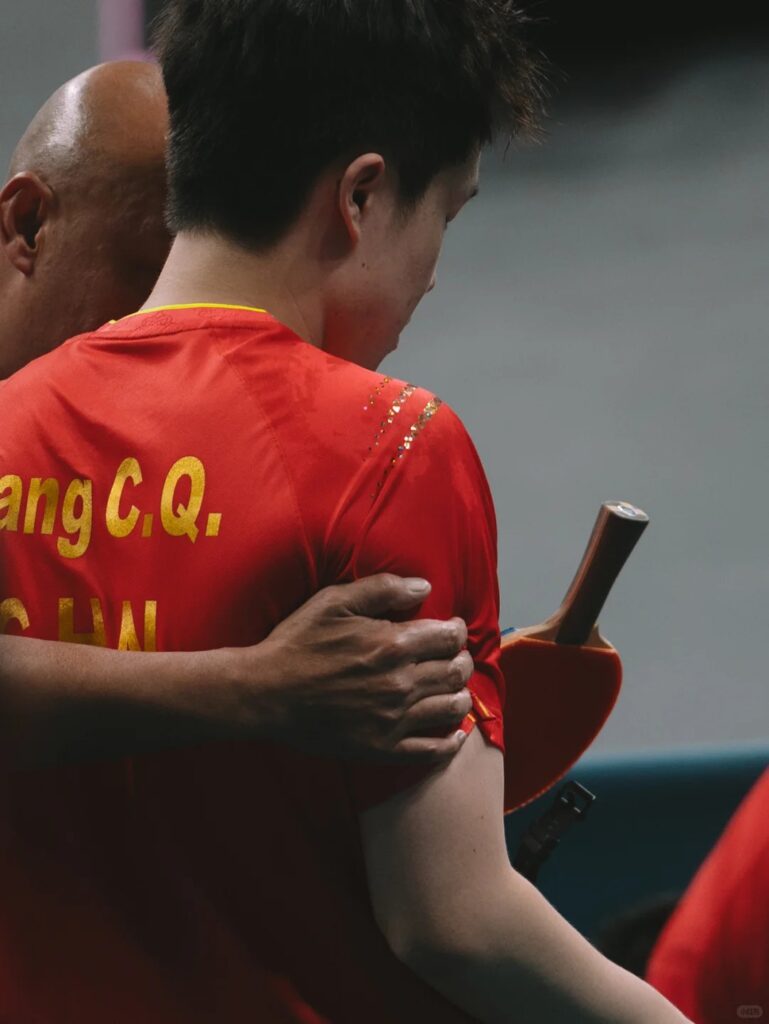
The catalyst for the abuse was a tragic and avoidable accident moments after Wang’s Olympic gold medal win. On July 30, 2024, right after claiming the mixed doubles title, Wang’s primary competition racket—an athlete’s most vital tool, honed and customized for months—was accidentally stepped on and broken by an overzealous photographer who had violated venue rules to get closer to the athletes. For professional table tennis players, a racket is not just equipment; it is an extension of their skill, muscle memory, and confidence. Data from the International Table Tennis Federation (ITTF) confirms that even top players see their win rate drop by an average of 23% when forced to switch to an unfamiliar racket mid-tournament, due to differences in grip, bounce, and feel.
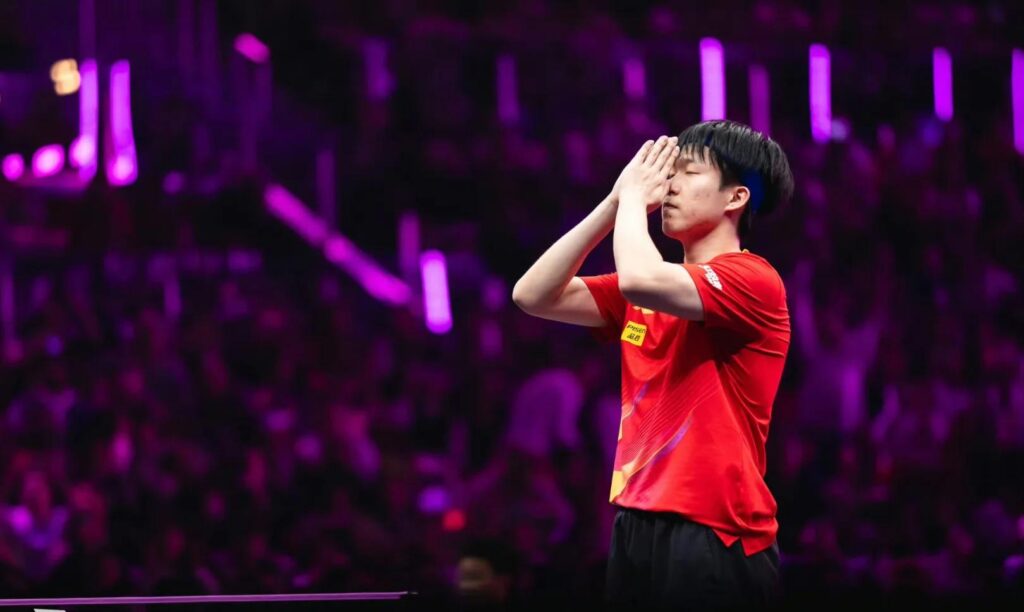
The very next day, competing in the men’s singles event, Wang was eliminated in the round of 32. What followed was not rational criticism or disappointment, but a tidal wave of online hate speech. He was labeled a “permanent round-of-32 loser” and “mentally weak,” with comments dismissing his gold medal as a fluke and mocking him with lines like, “A real champion could win with a shoe sole.” What made this attack even more unjust was the blatant double standard: when international athletes face equipment failures or unexpected losses, fans and media often express sympathy and understanding, but Wang was held to an impossible, inhuman standard. The negligence of venue security and the unprofessional behavior of the photographer were completely ignored, all blame was placed squarely on the 24-year-old athlete.
“You can criticize me for my performance, but leave my family out of this. That’s my bottom line.”
— Wang Chuqin
This online harassment did not end after a few days. It persisted for 114 consecutive days, with tens of thousands of malicious comments flooding his social media every single day. An analysis of top comments on major Chinese social platforms found that 87 out of 100 top comments about Wang during this period were personal insults, baseless rumors, and targeted harassment. The hate went far beyond criticizing his athletic performance: it seeped into his personal life, with rumors spread about his private relationships, false claims that he mistreated teammates, and petty attacks on his daily habits. Worst of all, the abuse targeted his family, despite Wang’s clear boundary-setting. This is the defining line between constructive feedback and online hate: hate attacks the person, not the performance, and it knows no boundaries.
Wang’s story is far from unique in the world of elite sports. Quan Hongchan, the Olympic diving gold medalist, faced brutal body shaming online as she went through natural adolescent growth; Chinese female track and field athlete Wu Yanni has long suffered from large-scale cyber violence due to her flamboyant personality.These cases prove that online hate speech against athletes is a widespread, systemic problem, not a one-time mistake by a few overzealous fans.
Beyond the Screen: The Very Real Harm of Online Hate Speech
A common misconception about online hate is that “it’s just words on a screen” and that athletes, as public figures, should “tough it out.” This could not be further from the truth. Digital harm from hate speech has tangible, long-lasting impacts on athletes’ mental health, athletic performance, and even their love for the sports they’ve dedicated their lives to. Academic research on athlete well-being confirms that online harassment is a significant contributor to psychological distress among elite competitors, with effects that can last long after the comments themselves fade.
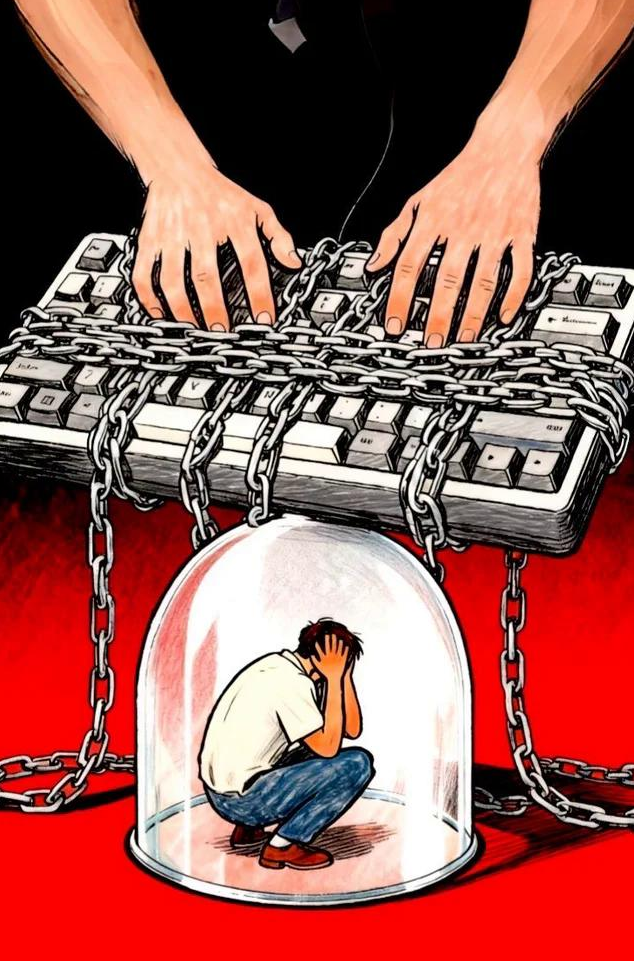
First and foremost, online hate inflicts severe mental trauma. In a candid interview after the 2025 World Table Tennis Championships, Wang Chuqin opened up about the toll of the harassment, saying he felt constant, overwhelming pressure that replayed in his mind like a movie every day. Quan Hongchan similarly revealed that the body shaming made her afraid to weigh herself, hesitant to wear dresses, and even plagued by nightmares. A 2026 study in China Sport Science and Technology found that elite Chinese athletes who experience sustained online hate are 3.5 times more likely to report symptoms of anxiety and depression, with female athletes facing even higher rates of psychological harm.
Secondly, online hate directly damages athletic performance. The mental distraction caused by constant harassment breaks focus during training and competition, leading to uncharacteristic mistakes and a loss of confidence. For athletes like Wang, who rely on split-second decisions and unwavering self-belief, the fear of failure and the weight of public criticism can become a self-fulfilling prophecy. The ITTF’s research also notes that athletes facing online harassment often experience increased muscle tension, slower reaction times, and reduced motivation in training.
Most tragically, online hate can strip athletes of their passion for their sport. When every loss is met with personal attacks, and every success is dismissed or forgotten, the joy of competition fades. Quan Hongchan summed up this pain perfectly when she said, “Diving used to be my favorite thing in the world; now it feels like a task.” This is the deepest harm of digital hate: it destroys the love and dedication that make elite sports possible.
Why Olympic Champions Are Not Immune: The Roots of Sports-Related Online Hate
If Olympic champions are supposed to be celebrated, why are they so often targeted by online hate? The answer lies in three interconnected forces: the toxic “idolize and destroy” culture of online fandom, the anonymity of the internet, algorithmic issues in social media and and our unrealistic expectations of elite athletes.
First, the rise of “fan culture” in sports has copied the worst traits of celebrity fandom, creating a cycle of idolization and destruction. When athletes are winning, fans lift them up as perfect, infallible idols; the moment they face a setback, those same fans tear them down with unbridled cruelty. This cycle, warned against by China’s People’s Daily as “toxic sports fandom,” turns athletes into objects of public entertainment rather than respected professionals.
Second, internet anonymity removes all accountability for harmful behavior. Behind a screen name, people feel free to say things they would never say to someone’s face, because there are no immediate consequences. The rise of AI-generated content has made this even worse: fake photos, edited videos, and fabricated rumors can be created and spread in minutes, amplifying hate speech and making it harder to debunk.
Third, social media algorithms further fuel the spread of online hate by prioritizing controversial, aggressive, and emotionally charged content over rational discussion. Platforms are designed to maximize user engagement, and hateful comments often generate more clicks, replies, and shares than respectful opinions. As a result, cyberbullying and malicious rumors are pushed to the top of comment sections and recommended feeds, creating an illusion that extreme hostility represents public opinion. This algorithmic amplification turns isolated insults into large-scale harassment, making it nearly impossible for targeted athletes to escape toxic digital environments.
In addition, society holds elite athletes to impossible, inhuman standards. We often forget that Olympic champions are not superhuman—they are young people who experience physical fatigue, mental stress, and unexpected setbacks, just like everyone else. We celebrate their wins but refuse to accept their losses, treating any failure as a sign of laziness or lack of dedication. This black-and-white thinking leaves no room for empathy, and it creates the perfect environment for online hate to thrive.
What We Can Do: Fight Back Against Online Hate, One Choice at a Time
The good news is that online hate speech is not inevitable, and we all have the power to stop it. Changing the digital landscape starts with small, intentional choices that every single one of us can make, every time we scroll through social media or read comments about athletes.
First, learn the difference between constructive criticism and online hate. Criticism is focused on performance, specific and respectful; hate speech is focused on personal attacks, cruel and baseless. If a comment targets a person’s character, family, or personal life, it is not criticism—it is harm, and it should never be tolerated.
Second, refuse to engage with or spread hate. Every like, share, or comment on a malicious post gives it more visibility. If you see a hateful comment, do not respond, do not share it, and do not join in. Denying hate speech the attention it craves is one of the most effective ways to stop it.
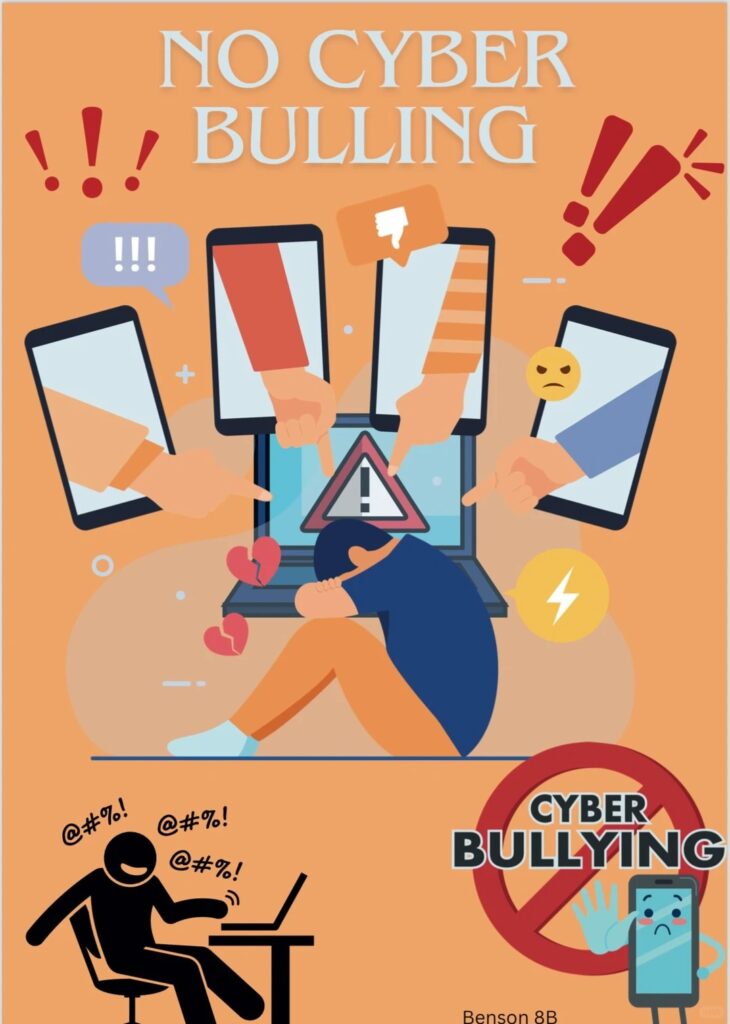
Third, use platform tools to report abuse. All major social media platforms have reporting systems for harassment, and taking 30 seconds to report a malicious comment helps remove harmful content faster. Finally, choose empathy over judgment—ask yourself how you would feel in their position, and remember athletes deserve respect for their hard work, win or lose.
Any deliberate defamation, malicious rhetoric, or cyberbullying—no matter how they are packaged—must be firmly refuted. We should never remain passive bystanders in the face of online violence. Platforms must accept a duty of care (Woods & Perrin, 2021) to proactively remove hate speech, not just react to reports.Platforms must fortify their defenses by implementing effective mechanisms to curb rumors and malicious content, ensuring that cyber trolls do not become significant obstacles to athletes’ competitive efforts. The internet is not a lawless realm; those who inflict harm through their keystrokes must face severe consequences.
Conclusion: Respect Matters More Than a Perfect Win
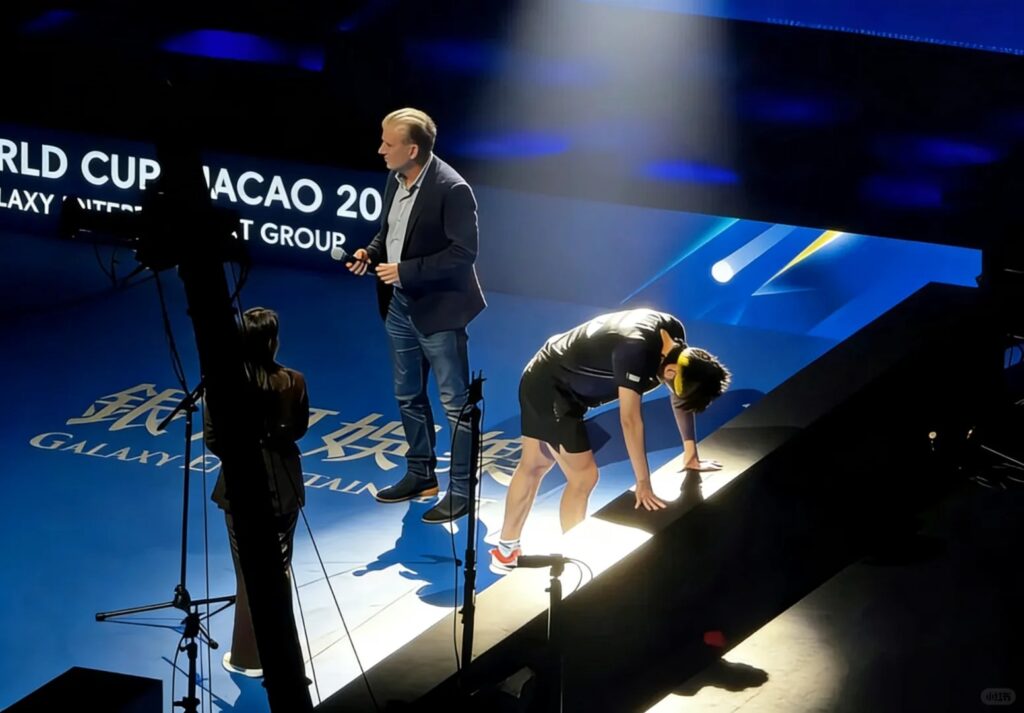
Wang Chuqin ultimately regained his confidence, securing the men’s singles championship at the 2025 World Table Tennis Championships and the 2026 World Cup, silencing much of the hate with his performance. But the 114 days of abuse he endured left a mark, and that harm will not disappear overnight. These athletes gave their all to represent their countries and inspire us—they deserve to be celebrated, not attacked.
Online hate speech is not a “harmless part of the internet.” It is a form of digital harm that hurts real people, destroys mental health, and ruins the joy of sports. These harsh criticisms also reveal distorted expectations some groups hold toward competitive sports. True appreciation lies in understanding athletes ’emotional fluctuations as human beings. On the field, athletes respond to spectators’ fervent expectations through relentless effort—applause for victories and empathy for defeats. Off the field, we must show tolerance toward those striving, provide space and time for growth, and prevent future Olympic champions from being traumatized by online bullying.
References
- Fang, T. (2024). “Fan circle-ization”: Group organization and behavioral logic in the mobile internet era. Cultural Review, 2, 142–151.
- General Administration of Sport of China. (2024). The General Administration of Sport holds a special meeting on rectifying the “fan circle” chaos in the sports field. https://www.sport.gov.cn/n315/n20067006/c28057145/content.html
- Guan, T., & Chen, X. (2025). Threat perception, otherness and hate speech in China’s cyberspace. The Journal of Contemporary China, 1–16.
- International Table Tennis Federation. (2024). Equipment impact on elite table tennis performance: Statistical analysis.
- International Table Tennis Federation. (2025). ITTF Council 2025 working documents. https://documents.ittf.sport/sites/default/files/public/2025-04/ITTF_Council_2025_working_documents_1.pdf
- Li, R. (2026). The impact of online hate speech on athletes’ mental health and intervention strategies. China Sport Science and Technology, 52(2), 112–118.
- Office of Communications. (2025). Online hate and abuse in sport. Ofcom. https://www.ofcom.org.uk
- Phoenix News. (2024, August 12). Has the sports circle been “invaded” by fan culture? https://ent.ifeng.com/c/8bzTZvKKs1i
- World Athletics. (2026). Key findings: Online abuse in athletics—AI research study: 4-year comparative insight analysis into online abuse of athletes during global athletics championships.
- Woods, L., & Perrin, W. (2021). Obliging platforms to accept a duty of care. In M. Moore & D. Tambini (Eds.), Regulating big tech: Policy responses to digital dominance (pp. 93–109). Oxford University Press.
- Yan, D. (2023). The generative mechanism and governance strategies of online violent discourse in the era of intelligent media. Inner Mongolia Social Sciences, 44(4), 70–77.
- Zhang, L. (2025). Sports fan toxicity and online violence: A communication reflection on the Wang Chuqin incident. Journal of Journalism & Communication Review, 18(3), 45–62.
Be the first to comment