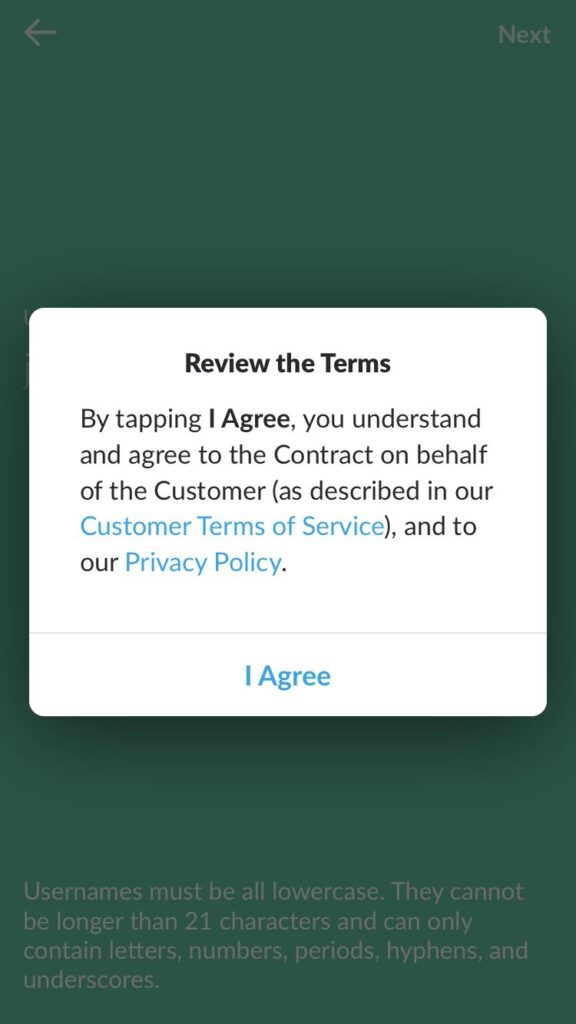
Have you ever noticed how, after casually mentioning a product to a friend, it suddenly starts appearing on your social media feed? Or how every time you download a new app, you’re asked to agree to a long list of terms and conditions you probably don’t read – just so you can use it? These small but familiar moments point to a much bigger question: do we really have control over our online privacy, or is that sense of control just an illusion?
The Internet is not true freedom
Digital technology have opened up more opportunities than ever for exercising human rights, especially in communication and access to information (Karppinen, 2017). As our social and political life increasingly move online, the way we exercise our right is increasingly tied to digital platforms.
But here’s the catch – these platforms are not neutral spaces (Tarleton Gillespie, n.d.). They are owned and managed by private companies, which means that the conditions for exercising rights are determined by commercial interests rather than democratic principles (Goggin, 2017).
While platforms seem to be able to achieve freedom of speech, they also control the flow of information and the collection of personal data.
More importantly, the platform has the power to decide what gets seen and what gets ignored (Karppinen, 2017). This selective magnification not only affects the content we see, but also positively shapes public conversation and influences the attention paid to issues.
While digital platforms seem to have expanded opportunities for expression and participation, these freedoms actually depend on the control of the platforms. This means that the Internet cannot be regarded as a truly free space. On the contrary, it is a structured space in which freedom is conditional – granted, restricted and managed by the platform’s authority. On the surface, it seems free, but in reality, it is a structured space where visibility is managed and participation is guided.
So, are we really unaware of privacy risks?
Probably not.
According to Chen & Cheung (2018), users are not unaware of privacy issues, but consciously or semi-interestingly make trade-offs between privacy and other benefits. Take WeChat as an example. It is a social platform that has deeply embedded in the daily lives of Chinese people – not just for chatting, but also for work and study. Due to its important position in social and professional areas, it is very difficult for users to give up the social value it generates.
Therefore, even when users have concerns about privacy, they will continue to share personal information because the benefits and valuable feel more immediate than the risks (Chen & Cheung, 2018). This can also be described as “privacy exchange”: users get convenient, personalized content and continuous use by exchanging personal data. Users tend to overlook long-term risks when face with these benefits (Goggin, 2017).
However, these decisions are rarely made with full understanding or under full control. The opacity of platform data means that users don’t really know their data is collective, shared or reused (Nissenbaum, 2018).
Therefore, users who seem to participate voluntarily are actually constrained and passively subject to the control of the platform. Due to limited transparency, strong social value and the lack of meaningful alternatives, users keep participating – even when they know the privacy risks.
What’s the use of the platform collecting this privacy
The platform collects personal data for a series of multiple purposes. At a fundamental level, these data can be used to build detailed user profiles to support advertisers in targeting their ads. These data become the source of the platform’s commercial profits (Flew, 2018). Meanwhile, it can achieve personalization of content and services, thereby enhancing convenience and encouraging users to spend more time on the platform (Chen & Cheung, 2018; Goggin, 2017). However, in this process, the platform shapes the content that users see by controlling the flow and visibility of information, influencing personal perception and broader public conversation (Goggin, 2017; Suzor, 2019).
In addition, the collected user data can also use as governance tools to monitor user behavior, enforce platform rules and manage (Suzor, 2019).
Overall, these functions indicate that the platform’s data collection is not only for providing service quality and convenience, but also for consolidating the platform’s power.
Why is this a topic that needs attention
The growing control of personal data by digital platforms is not just a technical issue, but a problem that raises concerns about rights, power and fairness.
Firstly, it reflects the power imbalance between users and the platform. While users actively generate and share data, they have little control over how the platform collects, processes or uses this information, which means they hand over the decision-making power of the information to private companies. This has led to an uneven distribution of power.
Secondly, the lack of transparency in platform operation has caused this problem further deterioration. Data collection and algorithmic processes are usually invisible to users, which makes it difficult for them to understand or evaluate how their information is being used. Therefore, seemingly consented actions are often not truly informed, which raises questions about whether users can truly exercise their privacy rights in such an environment.
Third, the main position of the platform has influenced our understanding of privacy itself. As Nissenbaum (2018) explains, privacy is not just about keeping information secret, but also about ensuring that information flows appropriately. When the platform collects and reuses data across different environments without clear line, this “Contextual Integrity” will be broken, blurring the line between the public and the private.
Therefore, when face with these factors that threaten privacy and security, we need to break the platform’s control over personal information and its unbounded dissemination, so as to enable users to truly have their own privacy rights in the digital field.
Who will supervise? How to supervise?
Compared with traditional supervision, platform supervision is more complex and difficult. This is because the platform, as a powerful rule-maker, defines the conditions for users to participate, communicate and share information. At the same time, the platform acts as a de facto private regulator through policies on terms of service, algorithmic systems and content moderation (Suzor, 2019).
This makes it difficult for the government to regulate digital platforms alone, due to the formal legal regulation system must contend with the rules established by the platform.
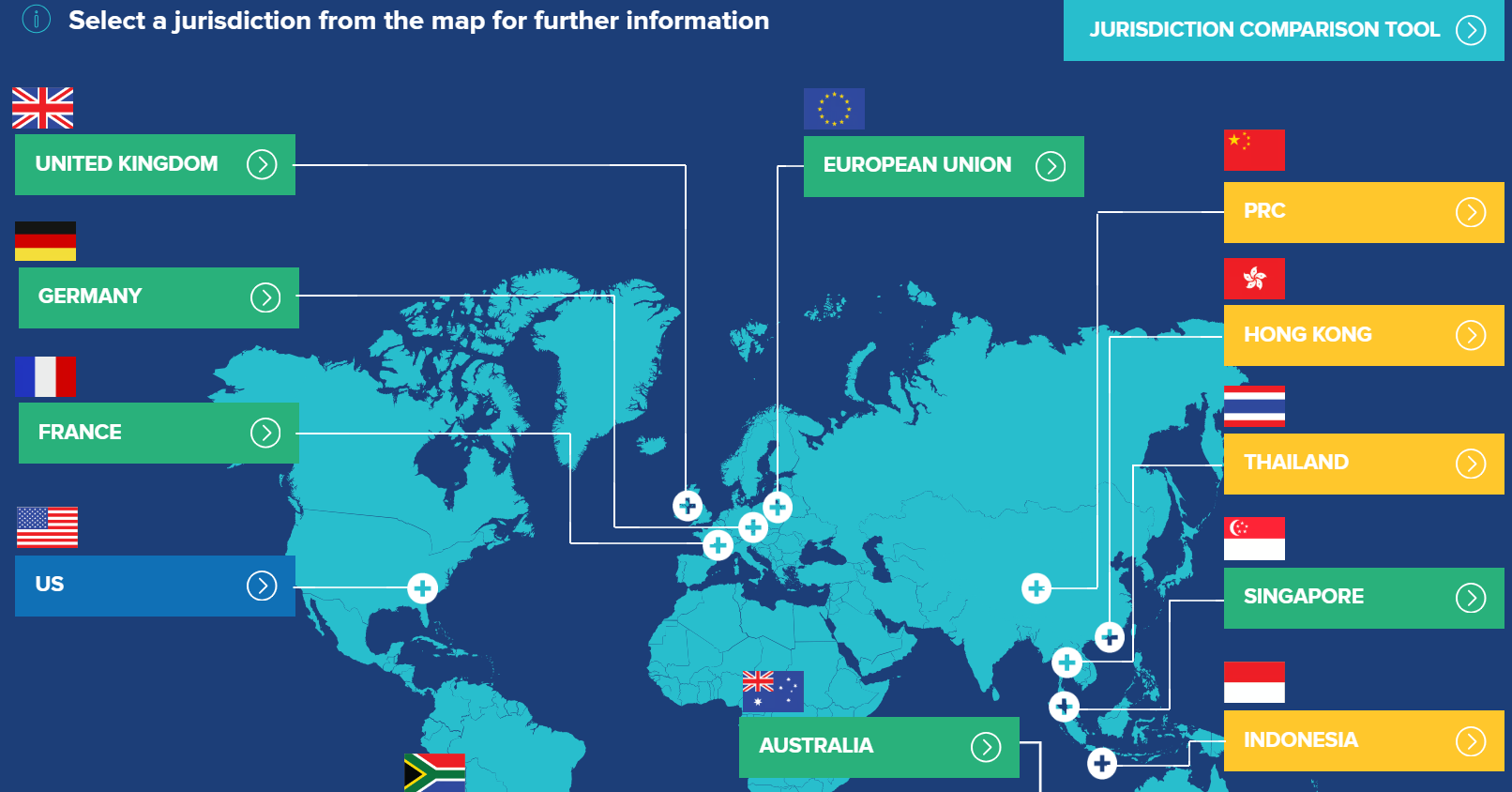

More importantly, the difficulties in supervision stem from multiple structural contradictions. Digital platforms are usually operated across borders, and legal supervision is largely related to the countries involved, which leads to a mismatch in governance rules. Because national laws are difficult to regulate the globalized platform, it leads to law enforcement conflicts and inconsistencies.
Furthermore, regulation is face with a contradictory relationship between protecting privacy and safeguarding freedom of speech. Strengthening one party’s efforts often poses a risk of undermining the other, making it difficult to establish clear and generally accepted boundaries.
In addition, due to the definition of privacy itself, regulation has become more complex. Marwick & Boyd (2018) point out that privacy is not a fixed and universal concept, but one that constantly changes with society, culture and context. Factors such as different ethnic groups and languages, whether they are marginalized, changes in background and social dynamics, and differences in physical spaces can all lead to changes in people’s definitions of privacy.
This difference implies that a single and universal privacy protection standard may not be very effective, as different groups and even individuals have different expectations of what privacy is and how to protect it.
Therefore, the regulation of digital privacy requires multi-level and multi-faceted governance approaches, including national supervision, platform accountability, and public oversight (Suzor, 2019).
More importantly, according to the “Multistakeholder Approach”, various entities from different fields, including the government, enterprises, society and technical experts, are accepted to participate in the decision-making of regulatory governance. This can not only avoid a single power monopoly, but also introduce knowledge from different fields to enhance the legitimacy of supervisory policies (Internet Society, 2016).
What can we do?
While the protection of digital privacy largely depends on the supervision of the government and platforms, as users, we are not completely powerless.
On the one hand, we can develop a critical understanding of how digital platforms operate, especially how personal data is collected, used and shared (Suzor, 2019). By understanding these processes, we can better recognise risks that may be involved in our daily digital practices.
On the other hand, we can think about our privacy line. We should not only consider what information is shared but also consider in what environment this information is used. The definition of “Contextual Integrity” mentions “information flows in ways that align with social expectations” (Nissenbaum, 2018). This means that privacy is protected when information is shared in the right context. But when information is transmitted across contexts without consent or understanding, privacy may be violated.
For example, in a hospital context, when a doctor reviews your medical records (this falls under reasonable information sharing). Advertisers use your medical records (the context is incorrect, which is an invasion of privacy).
Strengthening our understanding of the operation of digital platforms and the line of privacy can help us make wiser decisions on what to disclose, where to disclose and under what conditions. However, the effect of these methods is limited. Because we usually operate under opaque and powerful platform controls, our ability to protect our privacy is limited. Although we can take measures to protect our privacy, these efforts cannot replace the important role of state and platform supervision.
Conclusion
we need to be recognised that every time we click “Agree”, our privacy is increasingly controlled by the platform rather than us as individuals. Due to data collection, algorithm systems and governance rules, the platform determines the way personal information is used, circulated and visible, setting line for privacy. While we may be willing to participate, such participation takes place in an environment with preset rules and little challenge. Therefore, the problem lies not only in the threat to privacy, but also in the fact that the controllers of privacy have shifted from us individuals to powerful private enterprises.
It is important to recognize this transformation. Because privacy is no longer confined to our personal choices, it also involves issues of rights, responsibilities and governance. From this perspective, future challenges also require rethinking and redistributing control over personal data based on protecting privacy, so that the right to privacy can once again become a meaningful personal right.
But if we don’t pay attention to these, can we really say that our privacy remains our own when personal data is constantly being shaped and managed by platforms?



Be the first to comment