When algorithms, beauty culture, and platform design intersect
Social media platforms are often presented as spaces for creativity, self-expression and community building. However, these places are increasingly becoming an environment for the normalization and widespread spread of online harm including hate speech. In recent years, the rise of social media has set off a boom in the new era, bringing convenience and entertainment into everyday life. However, not only can online hate content spread easily between social media platforms, but its focus can also evolve over time (Rhys Leahy et al., 2022). Media technology combines new drivers and changes the dynamics of content production and distribution, such as generative AI and multimodal models, algorithmic recommendations and their amplification effects. Whether this will bring the risk of harm, and the use of deep forgery and automated false information could create new threats in the fields of politics, privacy and fraud, which is worth investigating.
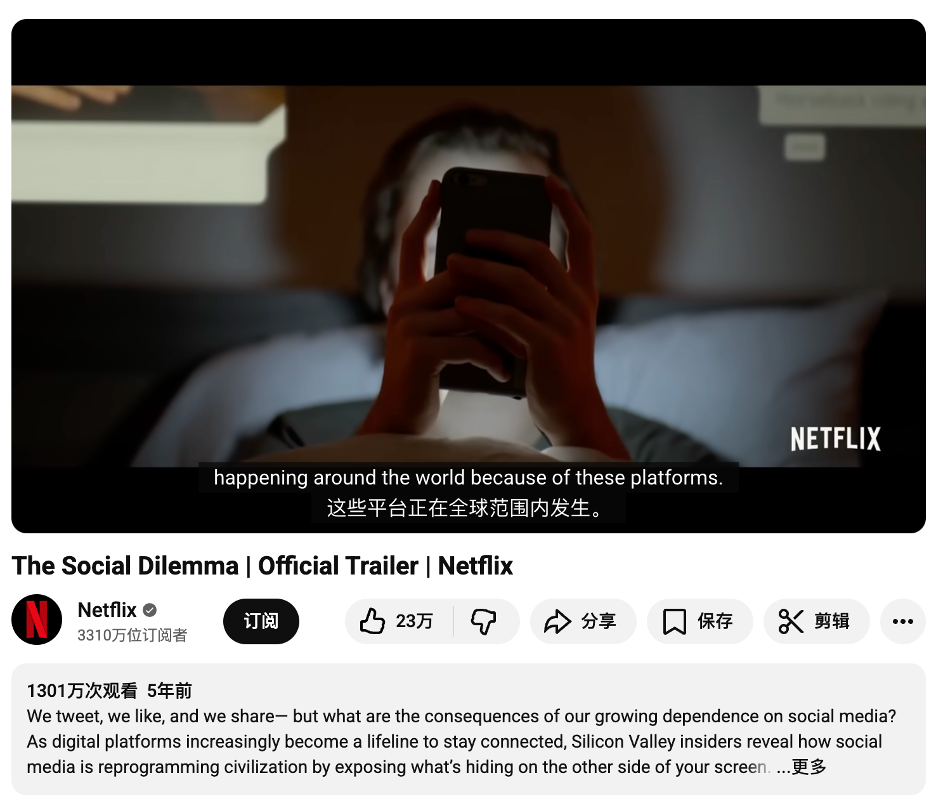
Source: How social media shapes perception https://www.youtube.com/watch?v=uaaC57tcci0
This blog examines Rednote as an example to analyze the extent to which the amplification of hate speech and online harms has brought emerging challenges to platform governance. Although rednote promotes idealized aesthetic culture, it shows misogynism, cyberbullying, offensive language, implicit discrimination and design-driven harm, which may bring emotional and participatory harm to users. Its management combines platform-dominated hierarchical control, strong algorithm recommendation and user autonomous management, which is different from other mainstream applications in emphasis and practice. Overall, this raises concerns that rednote may be contributing to the spread of hate speech and online harms, rather than effectively limiting them. This raises an important question:
Is Rednote effectively regulating harm, or unintentionally amplifying it?
Background and Theoretical Foundations
Hate speech should not be understood as simply offensive or insulting language, but as a form of expression that can cause real harm to individuals and communities. Aside from its potential to evoke specific emotions, it may cause perpetuating social injustice and exclusion of specific people within society. As explained by Sinpeng et al. (2021), the types of hate speech include the following: one type represents an explicit form of hate speech, where it is used as a direct threat that instigates discriminatory behaviors within society, whereas the other one does so indirectly by making it seem normalized. These negative impacts will be further intensified due to the use of social media, since it will allow for spreading such information in more rapid and widespread manner. Moreover, the fact that this is done virtually may prompt users to share their abusive posts without fear of facing any form of repercussion. Hence, the problem of hate speech becomes a structural one on rednote.

Case Study

Rednote has become an influential lifestyle platform, especially among young female users. The platform mainly focuses on beauty, fashion and figure-related content. Users will share daily life, product recommendations and personal experiences. However, such a content environment also provides space for the emergence of harmful speech. For example, posts related to weight loss, appearance or “ideal body standards” often attract comments with body humiliation, misogyny remarks and implicit discrimination.
Before understanding how these issues emerge, it is important to consider rednote’s platform structure and commercial logic. Rednote, a Chinese social commerce platform combining visual content sharing with e-commerce functionality, has received limited attention in English-language policy discussions despite its significant user base of over 300 million, predominantly young Chinese women (Gu et al., 2025). The platform’s policies regarding mental health protection are less transparent than those of Western platforms, reflecting different regulatory contexts and cultural norms.
Available evidence suggests that rednote implements content moderation for explicit self-harm content and provides some crisis resources. However, the platform’s core business model by integrating influencer marketing, beauty and fashion content, and direct purchasing, which creates structural incentives to promote appearance-focused content that research has linked to mental health harms (Wu, 2025; Wang et al., 2026).
It seems that the algorithms of the platform’s recommendation system take into consideration mainly engagement indicators and commercial prospects of different types of content. Hence, content about idealized beauty images and “fitspiration” pictures are often recommended because of their capacity to make consumers purchase some products. The commercial motivation may be in contradiction with mental health safeguarding goals, since the content that causes anxiety and insecurity is likely to affect people’s purchasing decisions.
However, in most cases, the comments are not necessarily outright offensive in nature. However, some expressions can be considered as suggestions or experience sharing and yet contain an evaluation of one’s appearance and self-worth. In this way, users are consistently exposed to images advocating unreasonable aesthetics and encouraging people to use derogatory language. As a result, cyber injury or hate speech becomes something that happens on a regular basis. Body comparisons and negative criticism of appearance are typical examples of such activity.
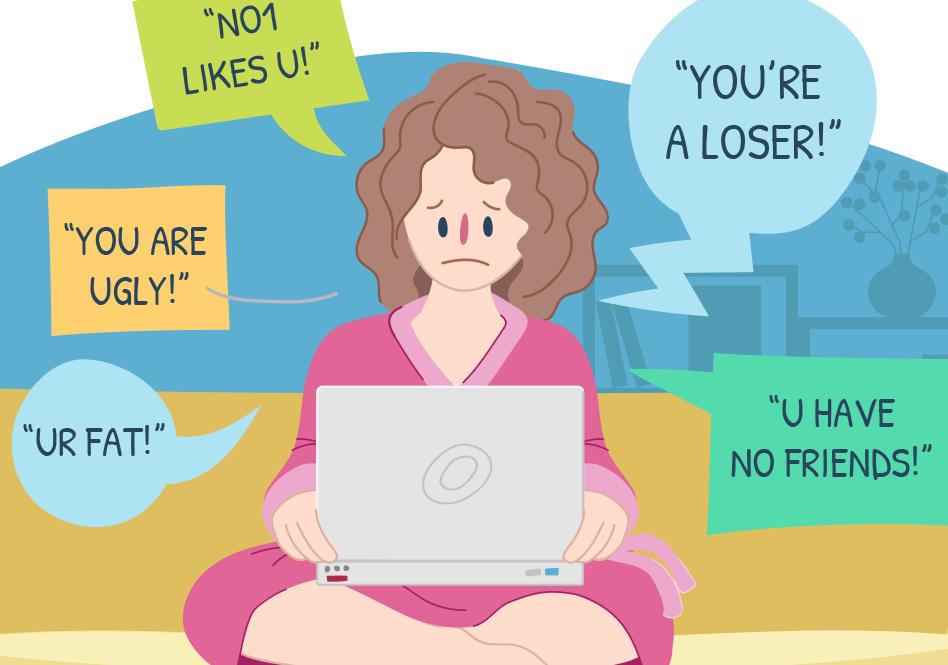
This is not only the case in regard to the use of rednote. On the contrary, many people will find that after getting exposed to a specific kind of content like advice on weight loss and body image, similar content will pop up more frequently in their dynamics feed. The repeated exposure to this type of content will change the user’s perspective in terms of normality, irrespective of the fact that the user had not made any effort to look for these kinds of posts in the first place. Within the comments, it is also not uncommon to see the users judge each other’s appearance and make recommendations or make comparisons indirectly as well. While not all the interactions mentioned above would be malicious in nature, they tend to encourage narrow standards of attractiveness and judgmental practices within the culture. According to Centre et al. (1972), online communities are not an open space for people to interact with others as many of them suffer from discrimination and racist attacks.
Critical Analysis:
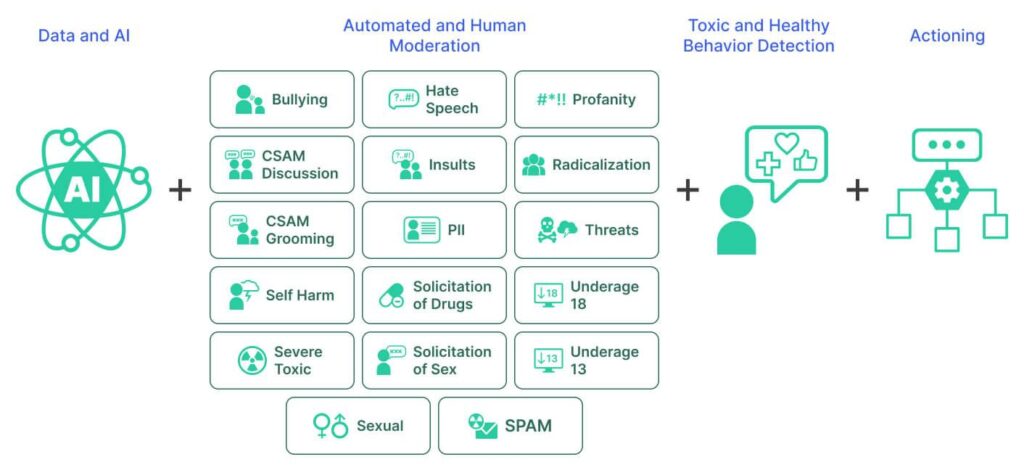
The governance of Rednote involves layers of platform moderation, community-based reporting, and user-based strategies, which operate alongside recommendation algorithms and anonymity. Such mechanisms imply that this social media platform has developed a rather sophisticated governance framework relative to other social media sites. Nevertheless, in spite of all the mechanisms described above, the presence of harmful content within rednote cannot be explained solely by user behavior (Zhang & Liu, 2025; Lou et al., 2025). Moreover, in their discussion of platform migration of hate speech and moderation challenges, Das et al. (2020) indicate that the existence of harmful content on rednote is not related only to user behavior. Instead, it highlights some structural issues inherent in the design of platforms. This issue arises from the operation of algorithms of the recommendation system. Posts that could evoke an emotional reaction like comparison, criticisms, and judgments because of physical appearance would receive more interactions and thus would be more promoted. Take, for example, those discussing “the body change before and after” or the weight loss journey. It usually garners many comments criticizing and judging people’s appearances, comparing their bodies and promoting beauty standards in general. Thus, abusive content such as physical mockery or subtle discrimination becomes prominent and pervasive.
At the same time, the automated audit system also faces major limitations. Although platforms rely on artificial intelligence to detect harmful content, it is often difficult for these systems to interpret hate speech with cultural characteristics or implicit forms. On rednote, many harmful expressions appear in subtle ways, such as indirect comparisons or satirical comments, which may not contain obviously offensive keywords. For example, comments suggesting that someone “manage their body better” or “look more decent”, even if these comments are not directly offensive, may have judgment and reinforce harmful norms. This makes it difficult for the automated system to detect and delete such content.
In addition, platform responsibilities are increasing, but non-transparency and policy complexity still exist (Rhys Leahy et al., 2022). The governance mechanism of the platform seems to be insufficient in dealing with such content. Harmful comments are not always deleted in time, and users may notice that similar types of content continue to appear in their information flow. The reporting system may not always bring clear results, which may prevent users from taking further action. In addition, the lack of visible consequences for those involved in harmful remarks makes this behavior continue. Taken together, these factors show that rednote not only failed to effectively regulate harmful content but also may promote its continuous dissemination and normalization. Furthermore, the interaction between platform design and user behavior may form a reinforced cycle and enhance the visibility of harmful content. When users interact by liking, commenting or watching appearance-related posts for a long time, the platform algorithm may regard this as a relevant signal and continue to recommend similar content. In the long run, this will make you more likely to concentrate on certain kinds of speech, particularly those associated with body image, comparison, and evaluation. Not only does this feedback loop increase the presence of such content, but it also helps foster the normalization of toxic narratives. The users will eventually begin to consider such speech normal and even appropriate within the context of the social media environment. Here, it becomes clear that the issue is not just the prevalence of toxic content, but the fact that the platform itself can preserve and reproduce such content.
Importantly, these factors create a feedback loop:
- Users engage with appearance-related content
- Algorithms interpret this as preference
- Similar content is repeatedly recommended
Impact: From Individual Harm to Social Norms
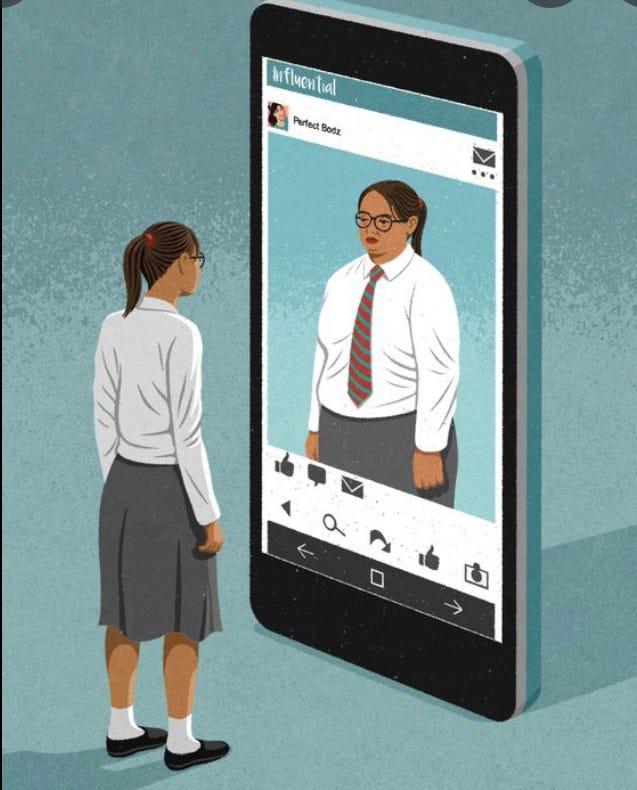
Amplification of negative content on rednote may have a considerable effect on people and the overall societal setting. On an individual scale, constant exposure to belittling insults and distorted beauty standards may affect users’ self-perception and psychological well-being. Individuals may develop a habit of comparing themselves against their perfect image and the desire to adhere to particular beauty standards. In this regard, people may experience increased stress levels, reduced self-esteem, and heightened body dissatisfaction.
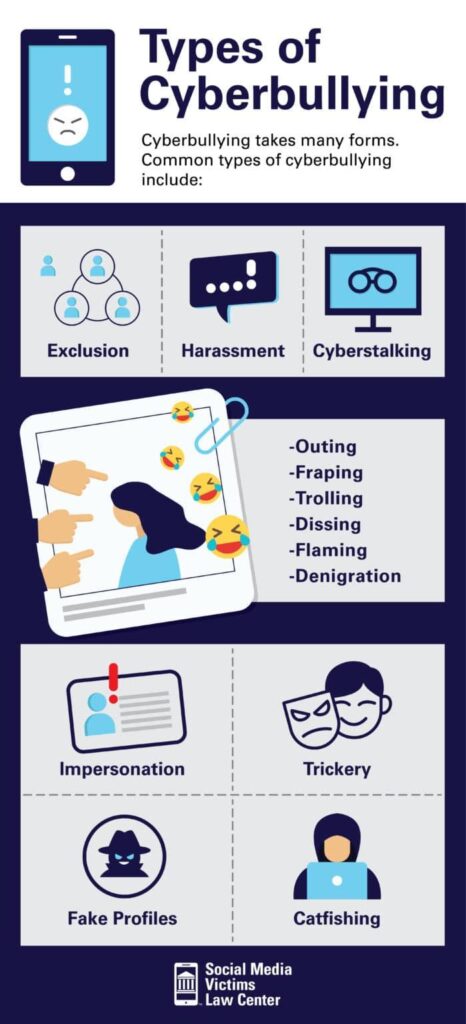
On top of that, such models have repercussions for community beliefs and values. When derogatory speech and covert discrimination occur frequently in everyday exchanges, they might eventually be perceived as tolerable or even typical behavior. This pattern might reinforce social injustices, particularly when it comes to gender discrimination and body shaming. It is also apparent from the current study about the “Fat Cat incident” and the potential consequences of social media platforms for gender discourse shaping (Wang et al., 2025). In addition, the diffusion of such content can influence how people behave while interacting, making cyberspace less tolerant and more evaluative. Furthermore, these changes can be seen not only in cyberspace but also in the lives of people when it comes to interactions beyond the platform itself. As a result of constantly coming across appearance-focused content and evaluation-related content, users may develop specific expectations for themselves and other people around them and adopt an evaluative approach towards communication. In some instances, people can internalize these requirements and start evaluating other people and their actions similarly to how the platforms evaluate them.
As a consequence, it becomes evident that cyber injury does not only happen within the virtual world; however, it may become an integral part of daily interactions. Therefore, this kind of cyber environment can be detrimental to the involvement of certain communities in online activities as people might prefer to avoid any participation when they understand that they will get criticized anyway. This is evident from the effects that have taken longer to manifest themselves. Online harm is not an event that is singular or transient in nature, but rather a component of a broader social issue. It is important to investigate the framework of the platform in order to foster cyber harm and social consequences.
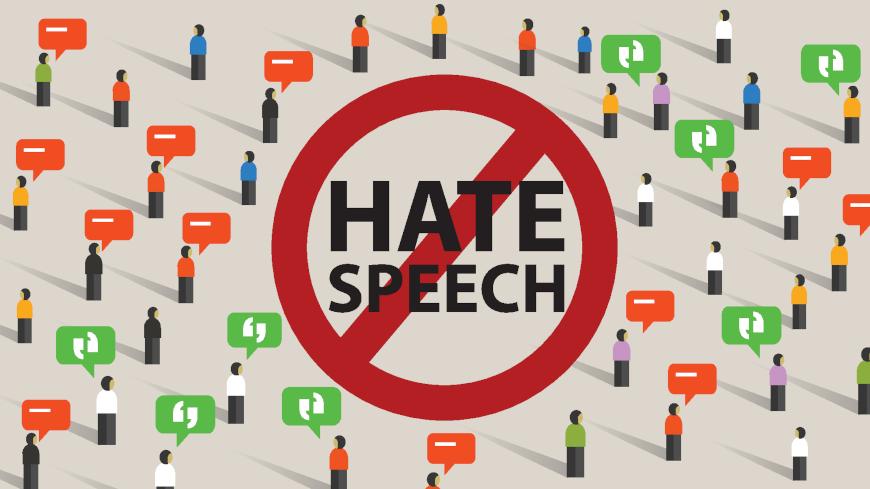
In conclusion, based on the example provided by the website rednote, it should be noted that the negativity related to the social media platform itself, such as hate speech, cannot be regarded as a personal matter; instead, the reason lies within the social media platform itself. Through the help of algorithms and audits, users’ negative behavior can become reinforced and standardized within the context of the continuous interaction that occurs within the social media platform. Hence, negativity becomes not merely an issue of the specific individual involved but also of society. Consequently, the question of managing and regulating the social media platform should also be considered.
References
Centre, Sydney., New South Wales. Department Of Education, & New South Wales. Department Of Health. (1972). Report, health education in schools : [from the Seminar on Health Education in Schools]. Centre For The Advancement Of Teaching, Macquarie University.
ChatGPT. (2026). ChatGPT. https://chatgpt.com/redeem
Das, M., Mathew, B., Saha, P., Goyal, P., & Mukherjee, A. (2020). Hate speech in online social media. ACM SIGWEB Newsletter, Autumn, 1–8. https://doi.org/10.1145/3427478.3427482
Gu, Y., Xu, Y., & Min, Z. (2025). Escaping the spectacle? Young women’s ambivalence to gender aesthetics on Xiaohongshu. Feminist Review. https://doi.org/10.1177/01417789251371530
Lou, S., Li, W., Zhang, C., Chen, S., Lu, Z., & Yao, Y. (2025). Behind the Same Mask: Understanding the Practice of Spontaneous Collective Anonymity on Chinese Social Platforms. Proceedings of the ACM on Human-Computer Interaction, 9(2), 1–31. https://doi.org/10.1145/3710933
Rhys Leahy, R. F. S., J. Restrepo, N., Lupu, Y., & Johnson, N. F. (2022). Dynamic Latent Dirichlet Allocation Tracks Evolution of Online Hate Topics. Advances in Artificial Intelligence and Machine Learning, 02(01), 257–272. https://doi.org/10.54364/aaiml.2022.1117
Sinpeng, A., Martin, F. R., Gelber, K., & Shields, K. (2021). Facebook: Regulating Hate Speech in the Asia Pacific. Ses.library.usyd.edu.au. https://doi.org/10.25910/j09v-sq57
Wang, A., Whyke, T. W., Song, Z., Wang, Z., & Fan, Y. (2025). The platformization of socially constructed gender realities: the “Fat Cat incident” (2024). Feminist Media Studies, 1–19. https://doi.org/10.1080/14680777.2025.2573730
Wang, X., Ahn, J.-M., & Gong, C. (2026). Mirror, motivate, or mislead? How fitspiration on RedNote affects health behaviors through appearance comparisons and self-esteem. Acta Psychologica, 263, 106206. https://doi.org/10.1016/j.actpsy.2026.106206
Wu, Q. (2025). Eating Dilemmas of Female Influencers on Xiaohongshu in the Social Media Era: Between Self-Objectification and Self-Empowerment. Communications in Humanities Research, 98(1), 12–18. https://doi.org/10.54254/2753-7064/2025.ns29462
Zhang, S., & Liu, H. (2025). Tiered moderation on Chinese platforms: content security, quality, and user protection. Chinese Journal of Communication, 1–19. https://doi.org/10.1080/17544750.2025.2485110


Be the first to comment